Langtang Gosaikunda Trek is one of Nepal’s most complete Himalayan trekking routes, combining the Langtang Valley, Kyanjin Gompa, and the sacred Gosaikunda Lakes in a single high-altitude journey.

Trip Facts
-
4,610m (Lauribina La Pass)
-
Moderate to challenging
-
March–May, September–November
-
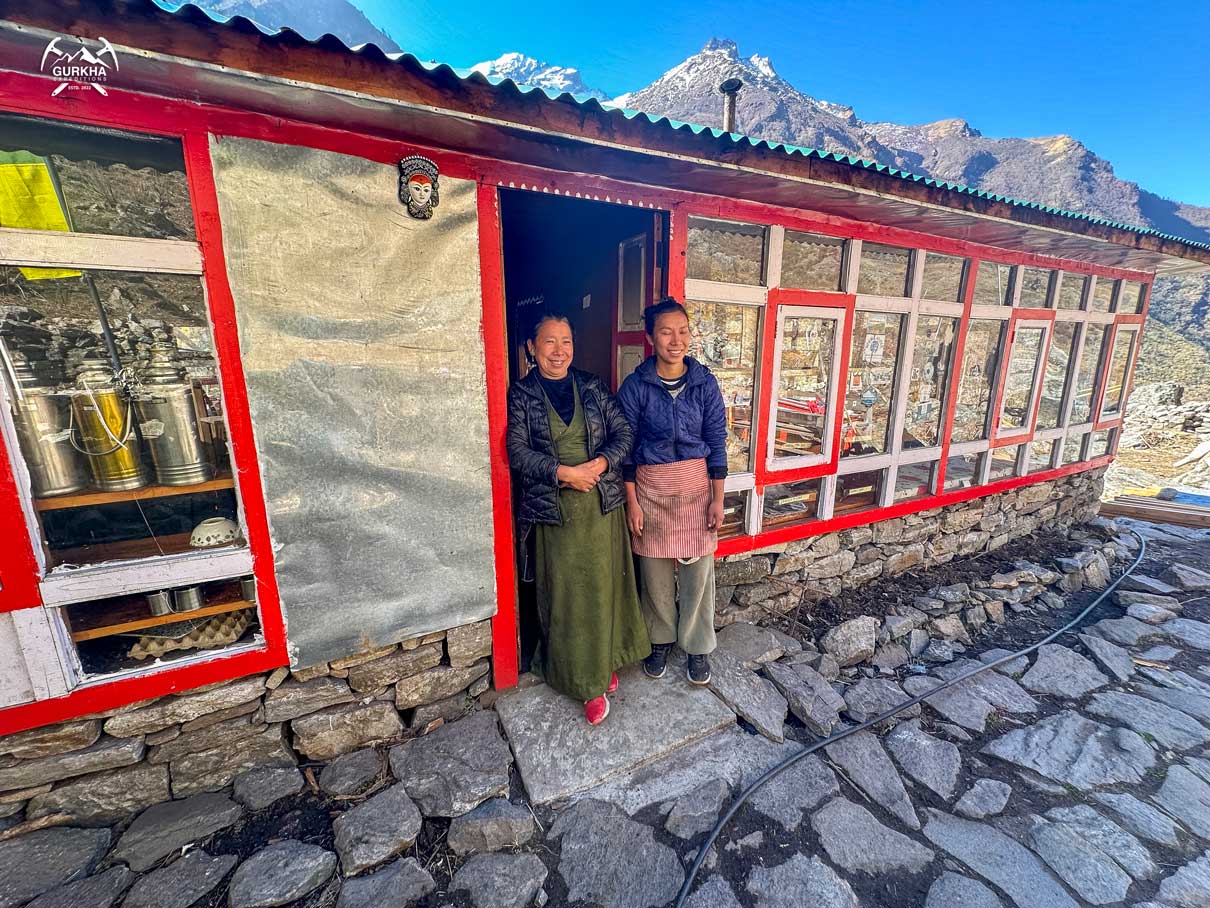
Basic teahouses and lodges
-
2–10
-
Included Langtang National Park Entry Permit, TIMS
-
Breakfast, lunch, dinner
-
Bus, Taxi, Jeep
-
5-7 hours
-
USD 1,090 per person
-
Year-round, weather dependent


Langtang Gosaikunda Overview
Langtang Gosaikunda Trek is one of Nepal’s most complete Himalayan trekking routes, combining the Langtang Valley, Kyanjin Gompa, and the sacred Gosaikunda Lakes in a single high-altitude journey. This guide explains the route, itinerary, altitude profile, permits, difficulty, and who this trek is best suited for.
Langtang and Gosainkunda have been part of my guiding work for many years, and it remains one of the strongest treks in Nepal if you want real altitude, cultural depth, and serious mountain walking without the complexity of restricted-area permits.

The Langtang Gosaikunda Trek connects Langtang Valley, Kyanjin Gompa, the sacred Gosainkunda lakes, and the Lauribina La Pass in one continuous route. You gain height gradually, cross above 4,600 meters, and exit through Helambu instead of turning back the same way.
This trek works especially well if you want a complete Himalayan journey close to Kathmandu, without flights, without restricted permits, and without the constant crowd pressure found on routes like Everest.
The itinerary length, daily pacing, and final cost can all be adjusted based on your timeframe and how comfortable you are with altitude.
Langtang Valley and Gosainkunda: What This Trek Actually Covers
The trek moves through two very different landscapes, and understanding that makes the route easier to plan.
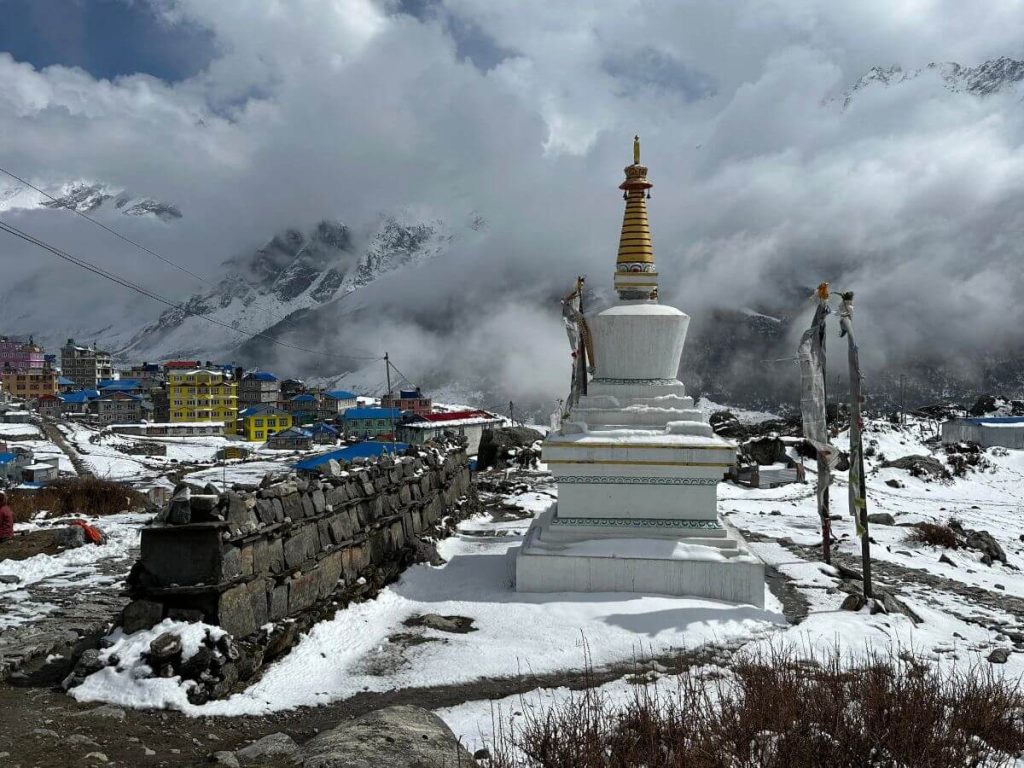
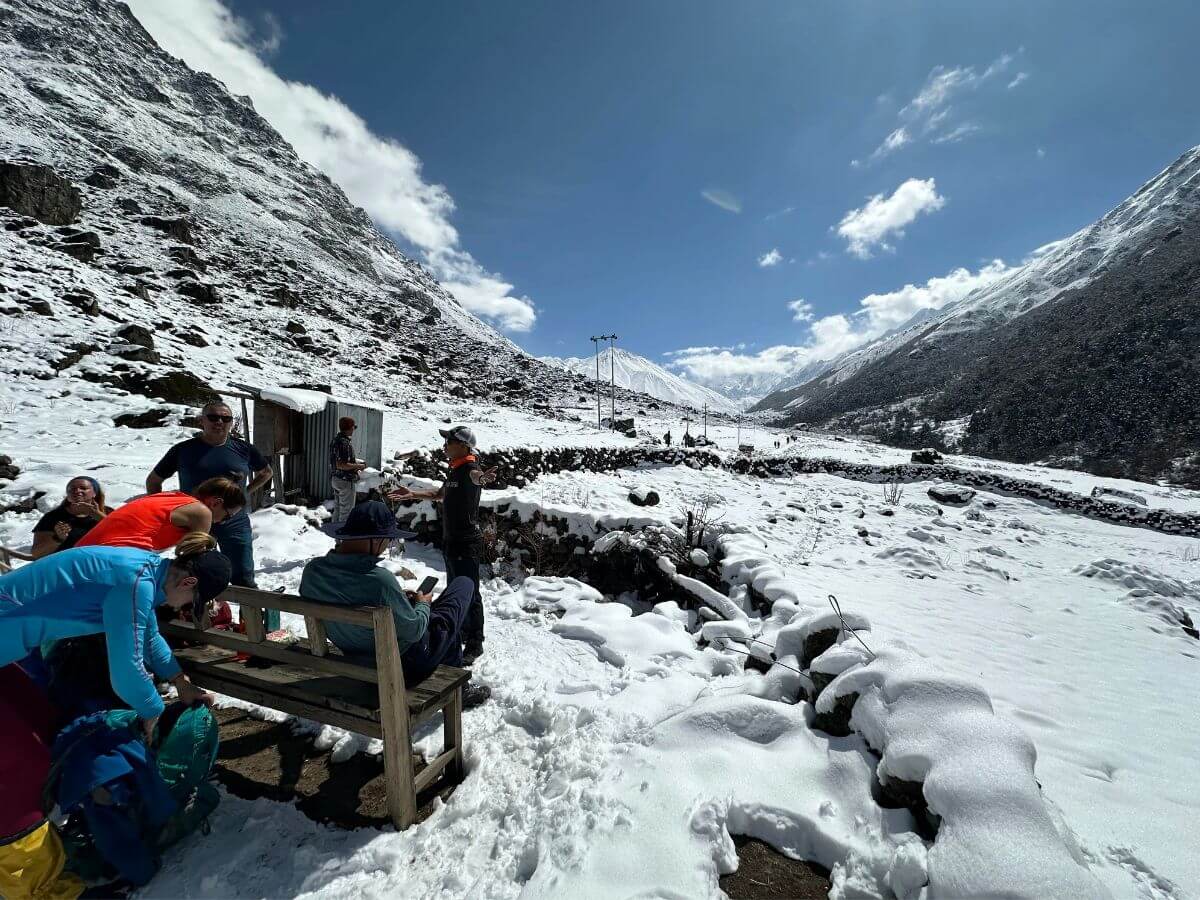
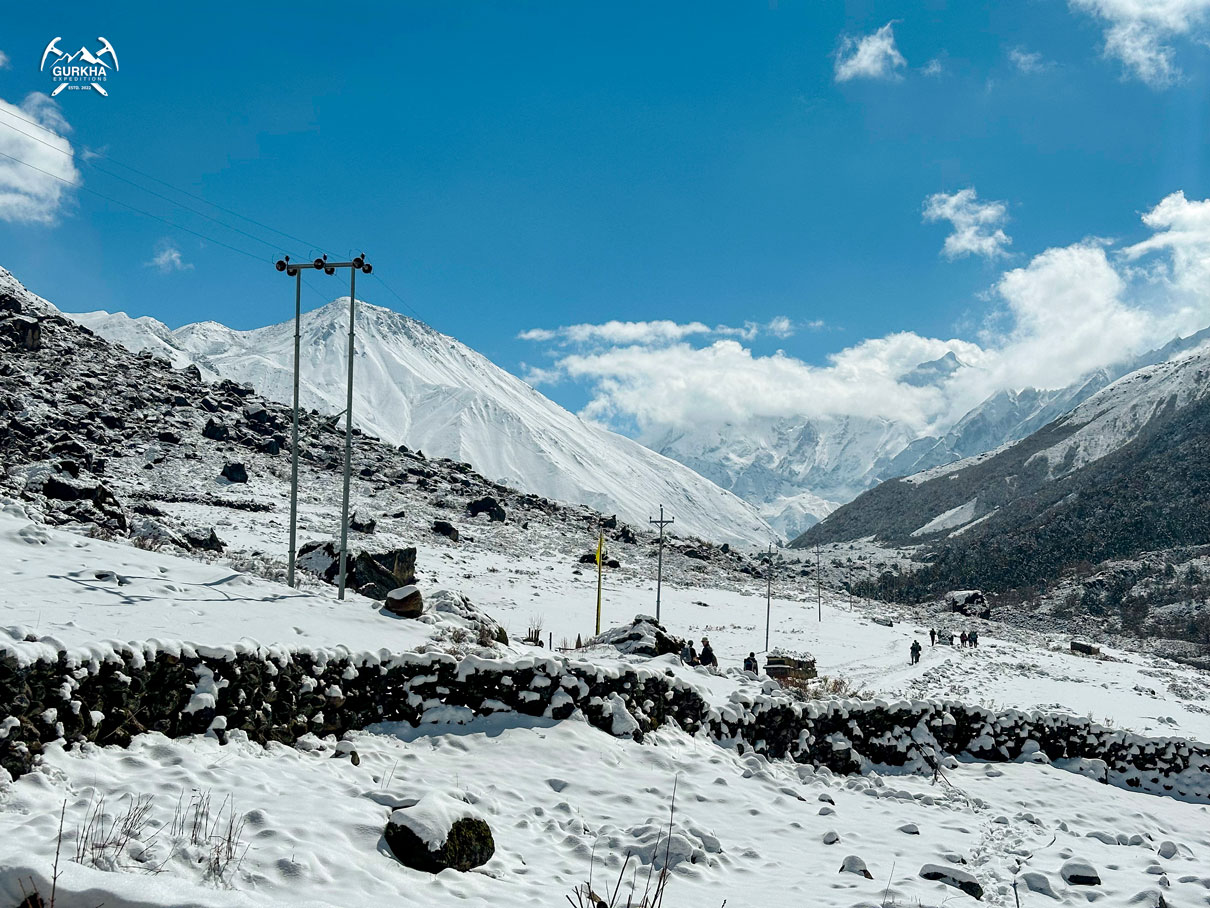
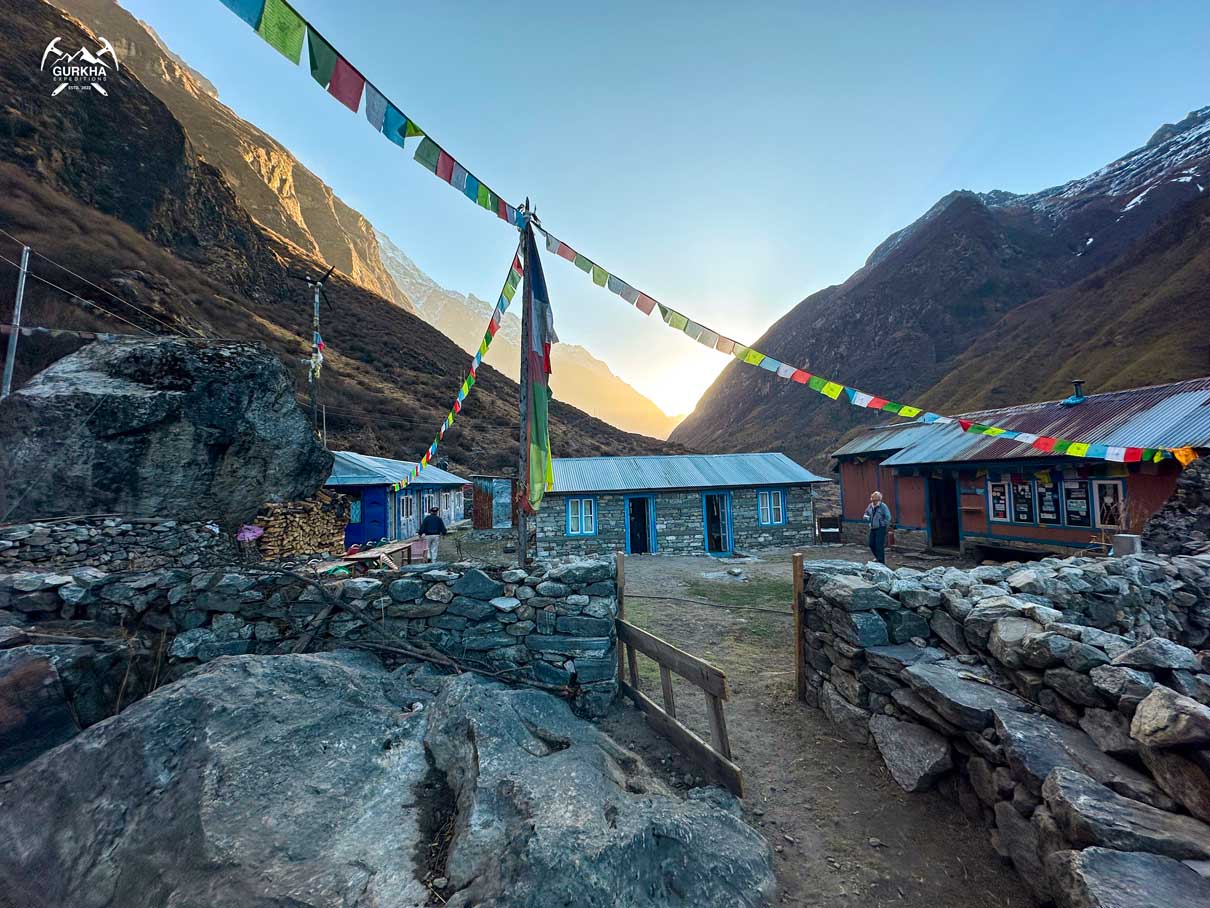
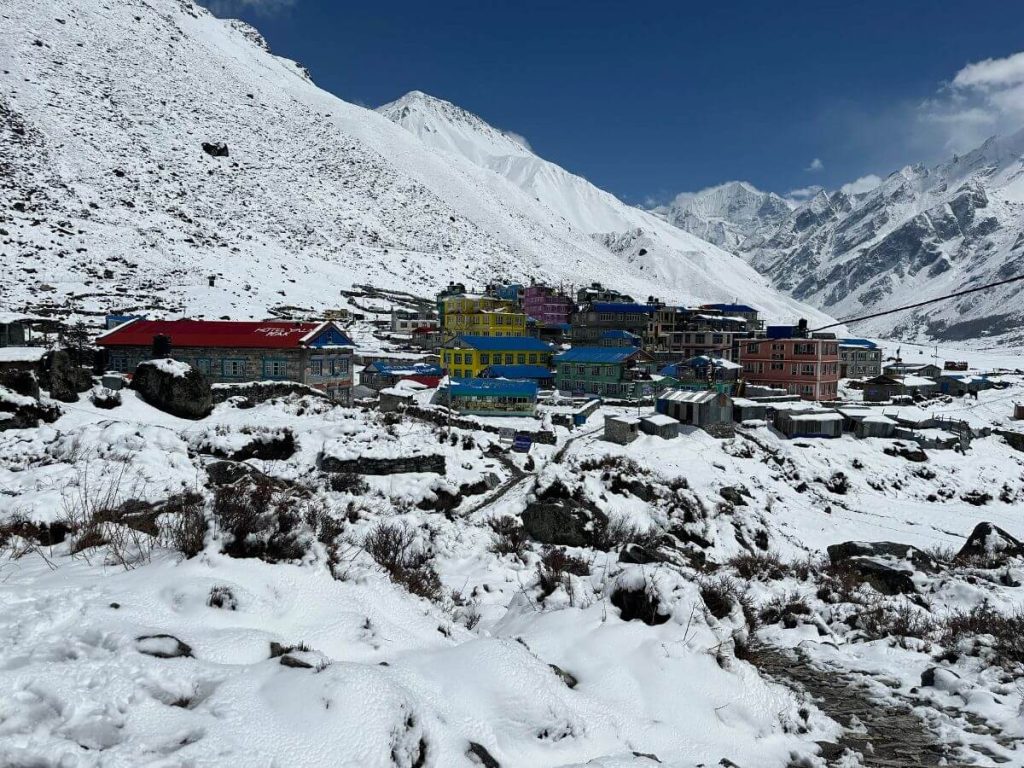
The Langtang Valley Gosainkunda trek links two very different landscapes into one journey. The first half takes you through Langtang Valley, where walking passes Tamang villages, forests, and wide glacial valleys. The altitude increases steadily, and Kyanjin Gompa becomes the natural high point of this section. This is where acclimatization matters more than distance, and short side hikes play an important role.
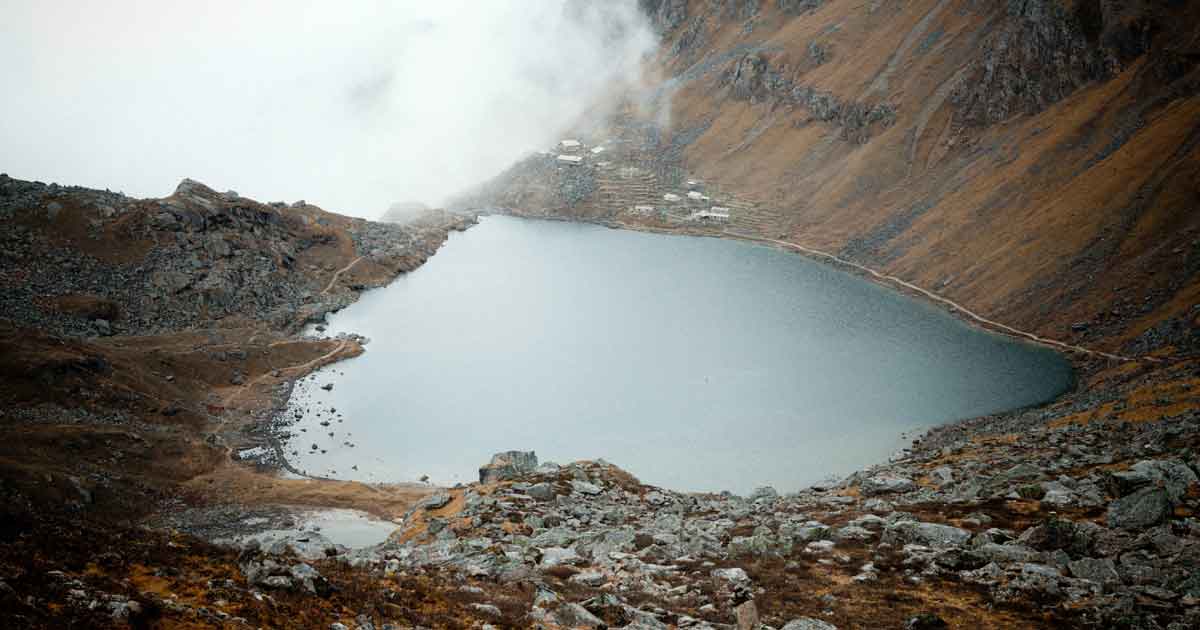
From Langtang, the route turns toward Gosainkunda. Trees cover fades, settlements become fewer, and the trek shifts its focus from village life to altitude and open terrain. The Gosainkunda lakes sit above 4,300 meters and carry deep religious significance, especially during pilgrimage periods.
The most demanding day comes after Gosainkunda, when you cross Lauribina La Pass at around 4,610 meters. This is the highest point of the trek and the section that requires careful pacing and attention to weather.
Rather than retracing your steps, most itineraries continue through Helambu. This gives the trek a natural flow and prevents it from feeling like an out-and-back route.
That combination is why this route continues to stand out. It feels like a complete journey rather than a trek built around a single destination.
Who this Trek is Right for and Who it isn’t
This trek is a good fit if:
- You want to reach serious altitude without committing to a three-week expedition
- You prefer quieter trails than Everest but still want reliable teahouses
- You’re comfortable with basic lodges and longer walking days
- You want both cultural villages and high mountain terrain in one route
This trek is not a good fit if:
- You’re looking for luxury lodges or high-end accommodation
- You want very short walking days only
- You’re uncomfortable with cold nights or changing weather at altitude.
Langtang Gosaikunda vs Other Popular Treks
Langtang Gosaikunda is often compared to Everest Base Camp and the Annapurna Circuit, but the experience is very different once you’re actually on the trail. Compared to Everest Base Camp, Langtang is closer to Kathmandu and doesn’t require flights.
The maximum altitude is lower, crowds are noticeably thinner, and daily walking feels less pressured. Costs are also lower, mainly because there are no domestic flights and permit requirements are simpler.
When compared with the Annapurna Circuit, Langtang Gosaikunda feels more compact and focused. You still cross a serious high pass at Lauribina La, but the route stays off roads and maintains a stronger sense of continuity from start to finish.
Compared to Upper Mustang, Langtang offers more forest and alpine terrain, a higher maximum altitude, and a much lower permit cost, while Mustang leans more heavily toward cultural exploration in a dry, open landscape. Each route has its place, but Langtang Gosaikunda suits people who want altitude, variety, and a complete journey without heavy permit complexity.
Why Trek With Gurkha Expeditions
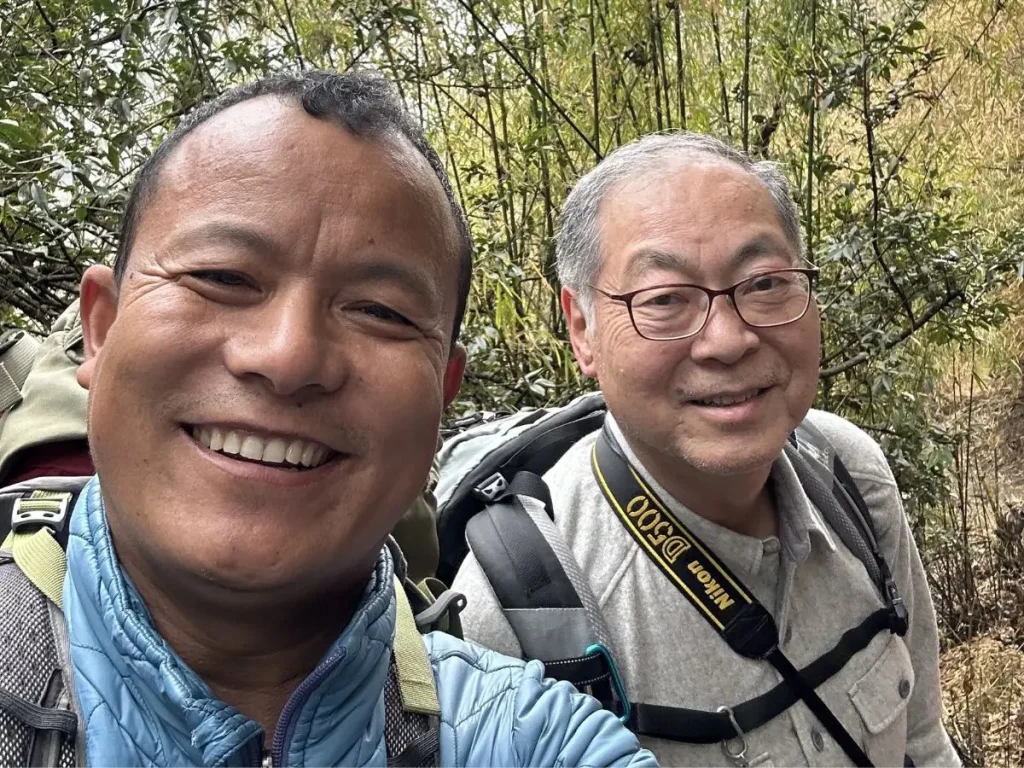
I’ve been guiding Langtang Gosaikunda Trek and other high-altitude routes for over 20 years. What I pay the most attention to here is acclimatization around Kyanjin Gompa, spacing the days before the pass, and avoiding the temptation to rush Gosainkunda just to shorten the itinerary.
- Over 20 years guiding in Langtang and high-altitude routes
- Founder guided British Military teams (2001–2019)
- Registered and licensed with TAAN and Nepal Tourism Board
- Small-group treks, not mass tourism
- Experienced Lantang-region guides
- Safety-first guiding and altitude-aware itineraries
- Responsible local operations with fair wages and environmental practices
Best Time to Trek Langtang Gosainkunda
Timing matters on this route because you’re crossing a high pass and exiting through Helambu, where weather can change quickly.
Gosainkunda is a sacred site for Hindus and Buddhists. During the full moon in August (Janai Purnima festival), thousands of pilgrims visit the lakes. Lodges fill quickly, trails are crowded, and the experience shifts from trekking to pilgrimage. If you want a quieter trek, avoid mid-August. If you want to witness the cultural significance firsthand, plan around the festival and book 2–3 months ahead.
Spring (March to May) suits this trek well. The lower sections come alive with rhododendron blooms, days stay steady for walking, and by mid to late spring the pass is usually clear. It’s a balanced season if you want color in the landscape without dealing with unstable conditions.
Autumn (September to November) is the most dependable period overall. Skies tend to stay clear, temperatures sit in a workable range for long days, and teahouses operate normally across the route. If you want the fewest compromises in terms of weather and logistics, this is the safest window to plan around.
Winter (December to February) is possible, but it demands flexibility. Nights are cold, winds can build near the pass, and some lodges higher up close for the season. I only recommend winter if you’re comfortable with cold conditions and understand that plans may need adjustment.
Monsoon (June to August) is not ideal for this itinerary. While Langtang Valley itself can still be walked, the Helambu section sees heavier rainfall, slippery trails, and poor visibility. For this route, it’s usually better to avoid the monsoon months altogether.
I always match the season to the route and pacing. The same trek can feel smooth or unnecessarily hard depending on when you walk it.
After Langtang Gosaikunda, some people start looking for something either more remote or more demanding, usually once they know how their body handles altitude and long days.
If you want to move into restricted or less-traveled regions, these are the routes I usually point people toward:
Each of these requires more planning and permits, but they offer a very different level of isolation and cultural depth compared to Langtang.
Highlights: What Makes This Route Different
- It’s one of the few routes in Nepal that gives you a full Himalayan valley trek and a high-altitude sacred lake crossing in the same itinerary
- A steady walk up Langtang Valley where altitude builds naturally through villages, forests, and glacial terrain
- Time at Kyanjin Gompa that’s used for adjustment and assessment, not just ticking off a destination
- A clear shift in character after Langtang, when settlements thin out and the landscape opens
- Gosainkunda reached late enough in the trek that your body is ready for it
- One true high point at Lauribina La that concentrates the difficulty into a single, defined day
- A descent through Helambu that lets the trek unwind instead of ending abruptly