

I’ve been guiding treks in Nepal for more than two decades, and one thing I’ve seen again and again is this, people don’t struggle because they are unfit. They struggle because the trek they chose didn’t match their time, altitude tolerance, comfort expectations, or the kind of experience they actually wanted.
Trekking in Nepal is not about doing the most famous route. It’s about choosing a trek that fits your schedule, your comfort with altitude, and what you want your days on the trail to feel like.
If you’re trying to decide which trek to do in Nepal based on real factors, not just marketing photos or popular names, you’re in the right place. These details matter far more than most people realize before they book.
Before recommending any route, this is what I look at first:
- how many days you can realistically give to the trek.
- how comfortable you are walking and sleeping at altitude.
- whether you prefer busy trails or quieter, more remote routes.
- the season you plan to travel.
- and the budget range you are working within.
Once I understand these basics, it becomes much easier to point you toward a trek that actually makes sense for you, not just the one everyone talks about.
Below, I’ve organized Nepal’s main trekking routes by the type of experience they offer. If you’re still not sure which fits your situation, tell me your timeframe and what kind of experience you want, and I’ll recommend the right route.
Types of Treks in Nepal
Over the years, I’ve noticed most of you don’t need a long explanation of every route. What you really need is help understanding which type of trek fits you. I’ve seen people enjoy difficult treks and I’ve seen people struggle on easier ones, often because the route didn’t match what they were actually looking for.
Once you know the category that suits you, choosing a specific route becomes much easier.
Iconic High-Demand Treks (Popular Classic Nepal)
If this is your first time trekking in Nepal, or if you want a route with reliable lodges, clear trails, and a strong sense of shared journey, these are usually where people start.
Everest Base Camp Trek

The Everest Base Camp Trek is the most well-known route in the country. You walk village to village, the trail is busy in peak season, and the infrastructure is solid. If you’re comfortable with altitude and don’t mind sharing the trail with others, this trek delivers exactly what most people imagine when they think of Nepal.
Langtang Gosaikunda Trek

The Langtang Gosaikunda Trek offers a slightly quieter experience while still being well supported. It combines mountain scenery with Tamang villages and the high lakes of Gosaikunda. If you want variety without the long flights or heavy permit requirements, this route makes sense.
These treks suit you if you value established trails, social evenings in teahouses, and a clear daily rhythm.
Restricted & Remote Treks
These routes are very different from the classics. They require special permits, licensed guides, and more advance planning. In return, they offer deeper cultural exposure and far fewer people on the trail. If you’re more interested in culture, landscape, and quiet trails, this category is worth looking at.
Upper Mustang Trek

The Upper Mustang Trek feels unlike anywhere else in Nepal. The land is dry and open, the villages are deeply influenced by Tibetan culture, and the pace is slower. It also works well in the monsoon months, which surprises many people. If you want culture and space rather than greenery, Mustang stands out.
Restricted regions like Mustang follow a completely different access system than standard trekking routes, and understanding the permit structure for Upper Mustang trekking avoids common planning mistakes.
Upper Dolpo Trek

The Upper Dolpo Trek is one of the most demanding treks in the country. Days are long, services are limited, and comfort is basic. You choose Dolpo if isolation and raw landscape matter more to you than convenience.
Kanchenjunga Trek

The Kanchenjunga Trek is remote and physically challenging, with very few trekkers on the trail. It suits you if you’re experienced and want to see a part of Nepal that still feels untouched.
Manaslu Circuit Trek

The Manaslu Circuit Trek sits somewhere in between. You get high mountain passes and strong scenery, but with teahouses along the way. It’s a good option if you want fewer people than Everest without going fully off-grid.
These treks cost more because they involve permits, coordination, and limited infrastructure, not because they are packaged as luxury.
Scenic, Lower-Altitude Treks
If you want to walk through beautiful landscapes without pushing into high altitude or complex permit zones, these routes are often a better fit.
Rara Lake Trek

The Rara Lake Trek takes time to reach, but once you’re there, the walking stays moderate. The lake, the forests, and the quiet surroundings make it feel far removed from Nepal’s busier regions.
Panchase Trek

The Panchase Trek is shorter and easier to organize, with forest trails, village life, and wide views near Pokhara. It works well if you have limited time but still want to be on the trail.
Arun Valley Trek
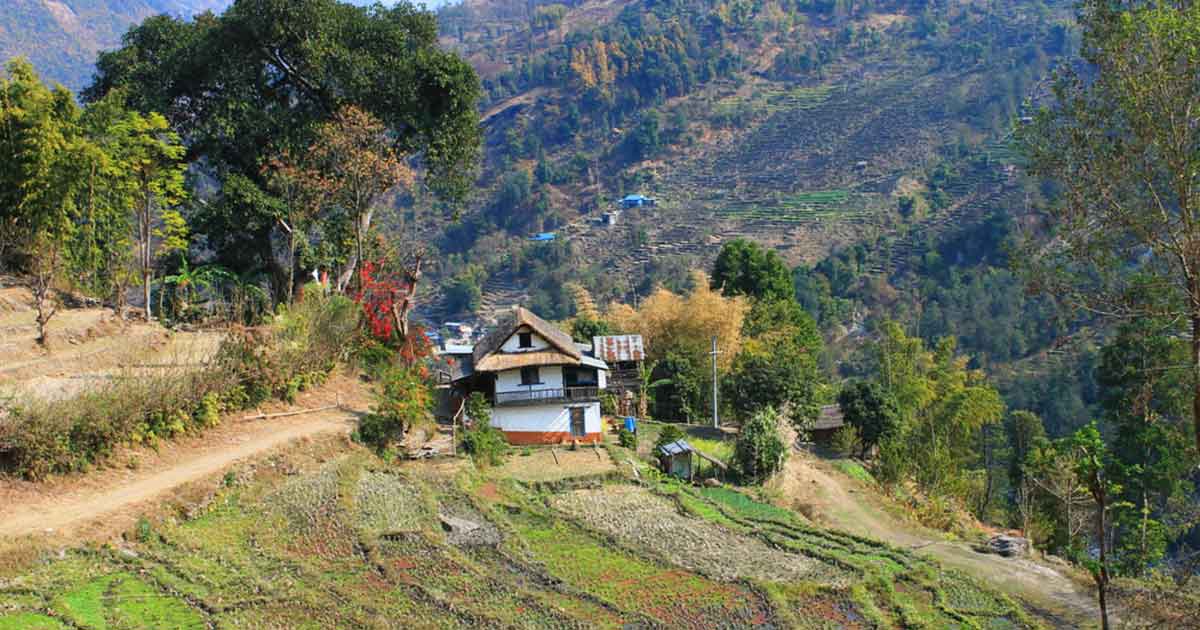
The Arun Valley Trek focuses more on culture and terrain than altitude. You walk through farming villages and varied landscapes, with far fewer trekkers than the main routes.
Pikey Peak Trek

The Pikey Peak Trek is often chosen for its sunrise views of Everest and surrounding peaks, without the crowds or the long approach of the main Everest trail.
Quick Trek Selector (Match the Route to Your Reality)
Once I understand your timeframe and what you want from the trek, the choice usually becomes clearer than you expect. Most confusion comes from comparing routes without being honest about limits, priorities, and how you actually want to spend your days.
When time is tight but you still want a classic Himalayan trek, Everest Base Camp often fits well. The trail is established, access is straightforward, and you spend your energy walking rather than just getting in and out of the region.
If culture, space, and a quieter pace matter more than famous viewpoints, Upper Mustang usually makes more sense. It’s dry, open, and shaped by Tibetan life. People who choose it for those reasons tend to connect more deeply with the place than those chasing scenery alone.
If you’re drawn to long days, real isolation, and the feeling of being far from everything familiar, Upper Dolpo stands apart. It asks more from you, physically and mentally, but for the right person, it delivers something very few routes can.
Some of you want strong mountain scenery and high passes but still prefer teahouses over full expedition-style logistics. That’s where the Manaslu Circuit often hits the right balance. It’s quieter than Everest, structured enough to manage comfortably, and still feels remote.
Altitude isn’t for everyone, and that’s fine. If you’d rather walk steadily, sleep lower, and still enjoy wide views, routes like Pikey Peak or Panchase work extremely well without pushing the body too hard.
And if what you’re really looking for is space, slower days, and distance from the usual trekking crowds, Rara Lake offers a very different rhythm. It’s more about stillness, scale, and being far from the usual circuits.
I don’t rank these routes as better or worse. The right trek is the one that fits your body, your time, and how you want your days on the trail to feel. When those line up, the experience usually takes care of itself.
Nepal Trekking Regions
When people ask me about trekking regions in Nepal, I usually start with this, the region matters, but it’s rarely the decision by itself. Most trekking routes fall into a few broad areas, and those areas simply give you a rough sense of what to expect.
The Everest side is higher and more demanding, with big mountains and longer acclimatization days. Annapurna is more varied. You can walk busy trails on one route and find real quiet on another, sometimes within the same region. Langtang sits closer to Kathmandu and works well if time is limited but you still want proper mountain walking.
Farther west, places like Dolpo feel completely different. The approaches are longer, there are fewer people, and the sense of isolation is much stronger. In the far east, Kanchenjunga takes that even further. It’s remote, slow-paced, and requires serious commitment in both time and planning.
I use the regions as a rough frame, then narrow things down. The real decision comes down to how much time you have, how comfortable you are with altitude, and how you want your days on the trail to feel.
Best Treks in Nepal by Duration
Time is usually the first real constraint. Not fitness, not motivation, but how many days you can genuinely commit once travel, acclimatization, and rest days are factored in. That’s why I group treks by duration early on. It saves a lot of confusion and helps you rule things out quickly.
Short Treks (5–8 Days)
For shorter windows of five to eight days, routes like the Panchase Trek work well. You still get real hill walking, open views, and a sense of being away from the city, without pushing altitude or logistics too hard.
Standard Treks (10–14 Days)
With ten to fourteen days, the options open up significantly. Treks like Everest Base Camp, Langtang Gosaikunda, and Upper Mustang sit in this range. These routes allow enough time for proper acclimatization and steady pacing, which makes a big difference to how the trek actually feels day to day.
Long Treks (18–25 Days)
Once you move into the eighteen to twenty-five day range, you’re looking at a different level of commitment. Routes such as Upper Dolpo and Kanchenjunga are not just longer, they require patience, stronger logistics, and a willingness to stay remote for extended periods. For the right person, that depth is exactly the appeal.
Trekking Seasons in Nepal
Most people ask about the best season to trek in Nepal because they know timing can make or break the experience. They’re right to focus on it. Weather affects visibility, trail conditions, flight reliability, and even whether lodges are open.
Where people go wrong is treating season as a general rule instead of matching it to the specific route they’re considering. A trek that works well in July can be miserable in August if it’s in the wrong region, while another route stays perfectly walkable the entire monsoon.
Spring, from March to May, works well for routes like Everest and Langtang. Days are warmer, snow has mostly cleared from the lower sections, and the weather tends to hold steady. With a sensible pace and rest days, this season feels comfortable for many people walking at altitude for the first time.
Autumn, from September to November, is the most consistent period across Nepal. Skies are usually clear, temperatures sit in a good range for long walking days, and services are fully running in almost every trekking region. If you want the fewest compromises and the widest choice of routes, this is the window that causes the least friction.
Monsoon, from June to August, needs more careful route selection. Many popular areas are wet, cloudy, and less enjoyable. Upper Mustang is the main exception. Because it sits in the rain shadow, it stays comparatively dry and becomes one of the few places where trekking still feels practical during this time.
Winter, from December to February, is quieter and colder. Some lodges close, mornings can be slow to start, and high passes may become difficult. For people who are prepared for cold temperatures and don’t need full services every night, it can still work, but it requires a more flexible mindset.
I treat season the same way I treat altitude and duration. It’s a deciding factor, but only when it’s aligned with the route and the kind of experience you expect day to day.
Restricted Treks vs Mainstream Treks
The difference between restricted treks and mainstream routes usually becomes clear once you look past the brochure and into how these routes actually operate on the ground.
Restricted treks like Upper Mustang or Upper Dolpo require special government trekking permits with fixed daily fees. A licensed guide is mandatory, and logistics have to be planned carefully before you start. Once you move beyond the last major villages, options become limited. Lodges are fewer, supplies travel farther, and changing plans mid-trek is often not realistic.
Mainstream treks work very differently. Permits are simpler, teahouses are frequent, and the infrastructure has developed over many years. That gives more flexibility on the trail and keeps both planning and costs lighter.
I usually explain it this way. Restricted treks don’t cost more because they’re exclusive. They cost more because access is controlled, logistics are heavier, and the margin for error is smaller. When you choose Mustang or Dolpo, you’re paying for preparation, structure, and the ability to move responsibly through regions that are still protected and lightly traveled.
Why Trek With Gurkha Expeditions
I started Gurkha Expeditions after two decades on the trail, shaped by firsthand experience of how trekking actually works once you are away from roads and backup options. How a trek is paced, how permits are handled, and who is leading on the ground makes a real difference once conditions become demanding.
This is what defines how we operate:
- Founder-led guiding backed by more than 25 years of hands-on experience across Nepal’s major trekking regions.
- Proven expertise in restricted areas such as Upper Mustang, Upper Dolpo, and Kanchenjunga, with permits handled correctly.
- Itineraries built around realistic pacing and acclimatization, not compressed days designed to look cheaper on paper.
- Small groups led by the same core guide team season after season, people who know the terrain, culture, and conditions well.
- A safety-first approach shaped by long experience in remote environments, including years of supporting British Military trekking operations.
I stay involved in planning every trek, because once you’re in the mountains, preparation matters more than promises.
Plan Your Trek With a Licensed Guide
FAQs
What is the best trek in Nepal for first-timers?
There isn’t one best trek for everyone. I usually look at how much time you have, how comfortable you are with altitude, and whether you prefer busy trails or quieter ones. For many first-time trekkers, routes like Langtang or parts of Annapurna work well because they allow steady acclimatization without feeling rushed.
Which treks require restricted permits?
Treks such as Upper Mustang, Upper Dolpo, and Kanchenjunga fall under restricted areas. These routes require special permits and a licensed guide, and they involve more logistics than standard treks. The extra cost comes from permits, guide requirements, and limited infrastructure, not from the walking itself.
How hard is trekking at altitude in Nepal?
Altitude affects people differently. I’ve seen very fit people struggle when days were rushed, and others do well simply because the pace was right. The key is proper acclimatization, realistic daily distances, and allowing the body time to adjust, not pushing harder or faster.
When is the best season to trek in Nepal?
Spring and autumn are generally the most stable, but the “best” season depends on the route. Upper Mustang, for example, works well even during the monsoon because it sits in a rain-shadow. I always match the season to the trek, not the other way around.
Can you customize trek duration and itinerary?
Yes. In fact, most of the treks we plan are adjusted in some way. Sometimes that means adding rest days, sometimes shortening a route, or adjusting daily walking hours. Small changes often make a big difference in how the trek feels overall.
How far in advance should I book restricted treks?
For restricted areas like Upper Mustang, Upper Dolpo, or Kanchenjunga, most people start planning several months ahead. Permits, flights, and logistics take time to arrange, and early planning gives far more flexibility with pacing, rest days, and travel dates. Last-minute bookings are possible in some cases, but they usually come with tighter schedules and fewer options.