Annapurna Region
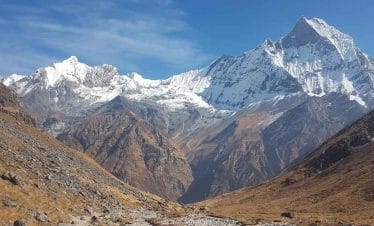
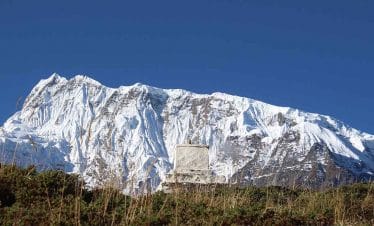
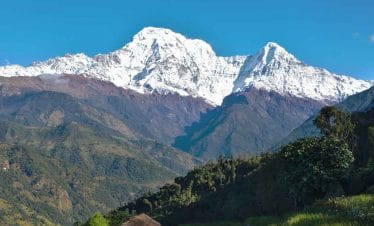
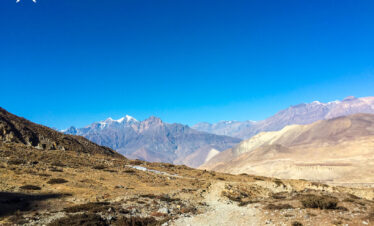
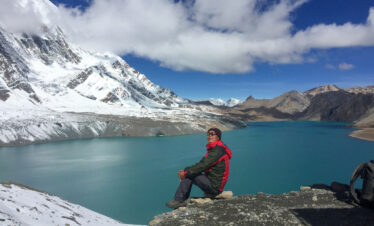
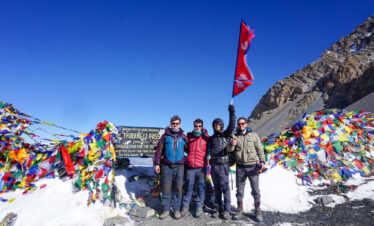
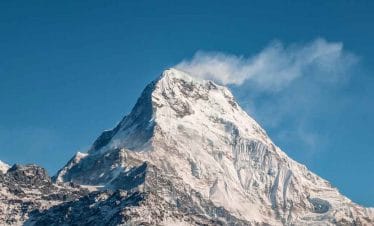
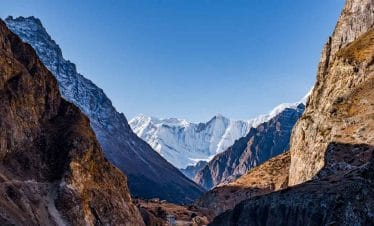
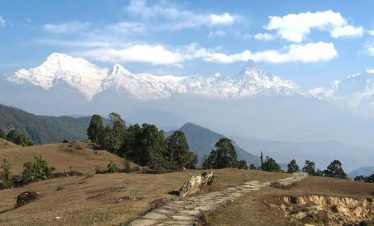
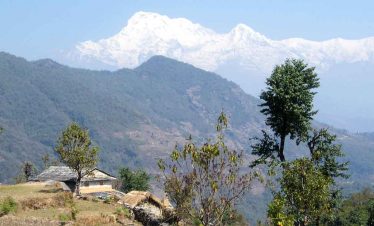
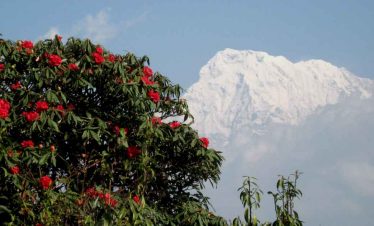
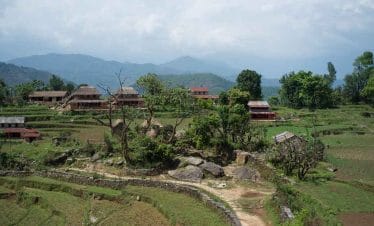
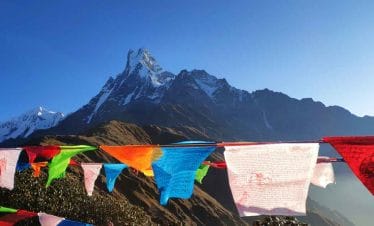
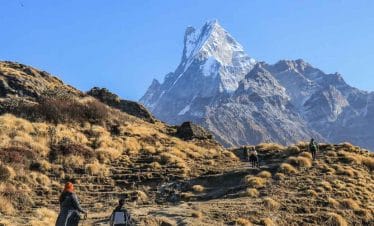
The Annapurna region is a dream for independent trekkers. It combines some of Nepal's most iconic mountains, including fish-tailed Machhapuchhare and massive Annapurna itself, with a superb trekking infrastructure and easy access, as most trailheads are just an hour or two from Pokhara. The region's charming Gurung, Manangi and Thakli villages add a cultural highlight.
It is one of the busiest trekking region after Everest Base Camp Trek.
The entire massif and surrounding area are protected within the 7,629-square-kilometre (2,946 sq mi) Annapurna Conservation Area, the first and largest conservation area in Nepal.
The whole massif sits between two of the major river system in Nepal; Marsyangdi and Kali Gandaki. Apart from the tenth highest mountain in the world, this region has 13 peaks over 7000 meters and 16 peaks over 6000 meters high.
How it's named?
The mountain is named after the Hindu goddess of food and nourishment, who is said to reside there.
The name Annapurna is derived from the Sanskrit-language words purna (“filled”) and anna (“food”), and can be translated as “everlasting food”.
Many streams descending from the slopes of the Annapurna Massif provide water for the agricultural fields and pastures located at lower elevations.
Some of the Major Trekking Routes of Annapurna Region are as follows
Peak Climbing
Peak climbing in Nepal has become more popular than before after the establishment of Nepal Mountaineering Association (NMA).
And there are now over 30 trekking peaks in Nepal with more being opened every year.
‘Trekking Peaks’ or Peak Climbing describe mountain peaks under 7,000 meters in height that can be climbed without any prior rope or crampon climbing experience.
Why Peak Climbing in Nepal?
Peak climbing in Nepal offers equally the up close views of the majestic mountains, dazzling scenes and sceneries. It is an opportunity to learn using mountaineering equipments, firsthand and practical experience of coping up with the high altitude challenges and prepare oneself for climbing the higher Himalayas.
Nepal is a paradise for peak climbing adventure and offers lifetime experience to everyone from novice climbers to the veteran mountaineers in this adventure world.
Nepal is not merely blessed with the astonishing natural beauty alone but also with amazing natural wonders. Nepal further has numerous of lofty Himalayan peaks and is home for eight mountains above 8,000 meters out 14 highest in the world.
Required Permits
The list of trekking peaks was extended in 2002 and split into NMA-A and NMA-B lists. All trekking peaks and mountains in Nepal over 5,000 meters require a permit to climb. These vary in cost depending on group size and what category the peak falls under.
- For all group A trekking peaks (of which there are 15) permits cost $500 for a group of up to 7 people. For every person over 7 you will have to pay an extra $100.
- For all 18 group B trekking peaks permits cost $350 for a group of up to 4 people. It is then an extra $40 per person up to 8 people. For anything above 8 the permit cost is $510 with an extra $25 per person on top.
Permits can be purchased in one day usually through your trekking tour operator. 36% of permit fees go to the Nepalese Government. For all higher peaks you will need to purchase a permit either through the Ministry of Tourism or through TAAN. These permits often take weeks to receive and you will often be required to undertake several interviews.
Trekking
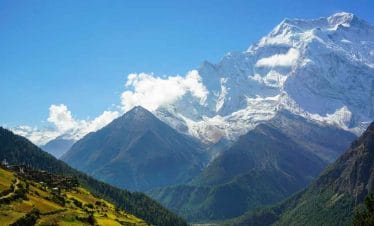
Nepal is known world wide for its picturesque mountains. Especially known to most is the mighty Mount Everest, and a lot of people travel from all over to capture a glimpse of the world’s tallest peak.
However Mount Everest is just a small fraction of what there is to discover in Nepal, with some of the most unique teahouses, monasteries and friendly locals you will come across anywhere on the planet.
For those that love adventure, the best way to explore this country is on your own two feet, by Trekking in Nepal.
Trekking in Nepal is life time memorable and adventurous journey and will leave visitors coming back for more.
From the lush forests of Helambu to the desolate peaks of the Upper Mustang, hiking in Nepal is extremely diverse.