Hidden beyond the rain shadow of the Annapurna and Dhaulagiri massifs lies one of the last truly remote corners of the Himalaya. The Upper Mustang trek in Nepal takes you into a landscape that feels more Tibetan than Nepali, where centuries-old Buddhist monasteries cling to eroded cliffs and the walled capital of Lo Manthang guards traditions that have survived virtually unchanged since medieval times.
This comprehensive guide to the Upper Mustang trek covers everything you need to plan your journey into Nepal’s “Last Forbidden Kingdom“—from permits and regulations to packing lists and responsible travel practices.
At Gurkha Expeditions, we’ve been organizing small-group and tailor-made Upper Mustang trekking from our Kathmandu base since 2022, and we’ve distilled that decade of experience into the practical information that follows.
Upper Mustang Trek at a Glance
Upper Mustang lies north of the checkpoint village of Kagbeni, stretching toward the Tibetan border in a high-altitude desert corridor carved by the Kali Gandaki River. Often called the “Last Forbidden Kingdom,” this former kingdom remained closed to outside visitors until 1992 and still requires special permits that limit the number of annual trekkers.
Here’s what you need to know before diving into the details:
Cultural Heart: The city of Lo Manthang (3,840 m) serves as the emotional climax of the trek—a medieval walled city with whitewashed houses, narrow alleys, and monasteries dating to the 14th century
Restricted Status: All foreign trekkers must obtain a Restricted Area Permit (RAP), an Annapurna Conservation Area Permit (ACAP); and solo trekking is prohibited
Trek Duration: Most itineraries run 12–14 days from Jomsom, including 10–12 days north of Kagbeni in the restricted region
Landscape: Expect arid desert landscapes, wind-sculpted cliffs, ancient caves, and views of Annapurna and Dhaulagiri rather than lush forests
Elevation Range: Trekking altitudes span 2,700 m (Jomsom) to approximately 4,200 m at the highest passes
Why Gurkha Expeditions: As a Kathmandu-based local operator registered with the Ministry of Tourism and TAAN, we handle all permits, employ local guides from Mustang and Lo communities, and design itineraries that prioritize authentic trail experiences over jeep roads

Where Is Upper Mustang Nepal and Why It’s Restricted
Understanding the geography and history of this remote region helps explain why the experience in Upper Mustang differs so dramatically from that in other trekking regions in Nepal.
Upper Mustang occupies the northernmost section of Nepal’s Mustang District, positioned in the trans-Himalayan belt between the Annapurna range to the south and the Tibetan Plateau to the north. The Upper Mustang area officially begins at Kagbeni (2,858 m), where permit checks are conducted, and extends approximately 50 km north to the Tibetan border.
- Rain Shadow Effect: The Annapurna and Dhaulagiri massifs block monsoon clouds from reaching this region, creating a rain shadow area that receives very little rainfall—often under 300 mm annually. This produces the stark, painted cliff formations and arid valleys that define the landscape
- Trans-Himalayan Desert: Unlike the green terraces of lower Nepal, Upper Mustang feels more like Tibet or the high deserts of Ladakh, with wind-swept plateaus, sparse vegetation, and vast open skies
- Historical Independence: The former kingdom of Lo was founded in the late 14th century by Ame Pal and remained a semi-autonomous principality until Nepal absorbed it administratively in the 18th century. The region’s culture, language, and religion stayed closer to Tibet than to Hindu lowland Nepal
- Restricted Rationale: The government implemented restricted area status to protect the fragile Tibetan Buddhist heritage, prevent rapid cultural erosion, limit environmental impact on a delicate ecosystem, and manage sensitivity around the border area with China/Tibet
- Preservation Through Limitation: Higher permit fees and mandatory guided trekking help fund conservation efforts while keeping visitor numbers sustainable—typically under 5,000 trekkers annually compared to 50,000+ on routes like Everest Base Camp.
Upper Mustang Trek Permits and Regulations
All non-Nepali trekkers must obtain multiple permits before entering the Upper Mustang trek, and the paperwork requirements are more complex than for open trekking regions. The good news is that working with a registered trekking agency means you don’t need to do anything yourself.
Important to understand from the start: solo trekking is not allowed in this restricted region. Government regulations require a minimum of two foreign trekkers traveling together, plus a licensed guide. If you’re traveling alone, agencies like ours can often pair you with another solo traveler for permit purposes, or arrange a private departure where the second “permit name” is handled administratively.
Gurkha Expeditions manages all permit applications, payments, and document submissions on behalf of our guests before trek departure. You’ll receive your permits in Kathmandu or Pokhara and carry them throughout the trek for checkpoints at Kagbeni and within the restricted region.

Restricted Area Permit (RAP) for Upper Mustang
The Restricted Area Permit RAP is the main document governing access to the Upper Mustang trekking and represents the largest single permit cost for the trek.
- Coverage: The RAP permits all days spent north of Kagbeni in the Upper Mustang restricted zone
- Fee Structure: New permit free around USD 50 per day (verify current 2026 rates before finalizing your budget)
- Issuing Authority: RAPs are processed through the Department of Immigration in Kathmandu (or Pokhara when applicable) and can only be obtained through a government-registered agency
- Required Documents: Valid passport with at least 6 months’ validity, Nepali visa, travel insurance documentation, and passport-sized photos
- Group Permit Structure: The RAP is issued as a group permit listing all foreign trekkers by name, which is why solo trekking requires pairing with another traveler or agency arrangement
Annapurna Conservation Area Permit:
- Required because all standard Upper Mustang routes pass through the Annapurna Conservation Area between Pokhara and Kagbeni
- Fees typically around NPR 3,000 for foreign nationals
- Funds support trail maintenance, reforestation projects, and community development initiatives managed by the National Trust for Nature Conservation
- Gurkha Expeditions obtains your ACAP together with the RAP and ensures all permits are ready before departure
Guide and Porter Rules
The requirement for a licensed guide in Upper Mustang isn’t merely bureaucratic—it reflects both cultural sensitivity and practical necessity in this remote location.
- Mandatory Guide: A licensed trekking guide is compulsory throughout the restricted region; independent or unguided trekking is prohibited and enforced at checkpoints
- Guide Responsibilities: Navigation on older trails that avoid new jeep roads, liaison with monasteries and local authorities for access to cultural sites, translation between Nepali/English and local Tibetan dialects, and emergency response coordination
- Daily Rates: Licensed guides typically earn USD 25–35 per day; porters around USD 15–20 per day (rates subject to experience and season)
- Local Employment Priority: Gurkha Expeditions employs local Mustang and Thakali guides wherever possible to ensure cultural authenticity, deep knowledge of the region’s history, and direct community economic benefit
- Tipping Expectations: Standard practice suggests USD 15–20 per day for guides and USD 10–15 per day for porters at trek end, adjusted based on service quality and trek duration
Best Time to Trek Upper Mustang
One of Upper Mustang’s unique advantages is its viability during Nepal’s monsoon season, when most other trekking regions become impassable due to rain, leeches, and obscured mountain views.
The rain shadow created by Annapurna and Dhaulagiri means that while lower Nepal receives drenching monsoon rains from June through September, Upper Mustang lies in a relatively dry zone that sees minimal precipitation year-round. This opens trekking windows that don’t exist elsewhere in the country.
| Season | Months | Temperature Range | Pros | Cons |
| Spring | March–May | 5°C to 20°C | Rhododendron blooms in lower sections, clear skies, comfortable temperatures, Tiji Festival (May) | Increasing afternoon winds, peak permit demand |
| Summer/Monsoon | June–August | 14°C to 28°C | Strong winds, dust storms, and Jomsom flight disruptions | Strong winds, dust storms, Jomsom flight disruptions |
| Autumn | September–November | 5°C to 20°C | Stable weather, excellent visibility, harvest season colors, and comfortable temperatures | Peak tourist season, higher lodge occupancy |
| Winter | December–February | -10°C to 10°C | Empty trails, frozen landscapes, and unique photography | Very cold nights, closed lodges at higher villages, limited services |
Prime Windows: Late March through May and mid-September through November offer the most comfortable combination of stable weather, clear mountain views, and moderate temperatures.
Monsoon Viability: June through August remains a legitimate option for trekkers seeking fewer crowds, though afternoon winds intensify and Jomsom flight cancellation rates increase (historically, around 30% of flights are disrupted).
Winter Caution: December through February is suitable only for highly prepared and experienced trekkers comfortable with temperatures dropping to -10°C at night, limited heating, and potential lodge closures in remote villages.
Tiji Festival: This spectacular three-day Buddhist ritual typically falls in May according to the Tibetan lunar calendar and involves traditional masked dances, elaborate costumes, and ceremonies in Lo Manthang. Permits and lodges book months in advance for festival dates—contact us early if this is your goal.
Classic Upper Mustang Trek Itinerary
The following is a typical 14–15-day Kathmandu-to-Kathmandu itinerary offered by Gurkha Expeditions as a standard framework, with flexibility to shorten, extend, or customize it based on your interests and fitness level.
Most Upper Mustang trekking begins and ends in Jomsom (2,715 m), reached by a dramatic 20-minute flight from Pokhara through the Kali Gandaki gorge between Annapurna and Dhaulagiri. Kagbeni (2,858 m) marks the official entry checkpoint to the restricted area, where permits are verified before continuing north.
Sample Day-by-Day Framework:
- Days 1–2: Arrive Kathmandu, transfer to Pokhara for lakeside acclimatization and gear check
- Day 3: Morning flight to Jomsom, trek to Kagbeni (3–4 hours)—permit verification at checkpoint
- Day 4: Kagbeni to Chele (3,030 m) via the Kali Gandaki River valley and climbing through poplar groves
- Day 5: Chele to Syangboche/Ghiling (3,570 m), crossing Taklam La pass
- Day 6: Ghiling to Ghami (3,520 m), passing impressive mani walls and chortens
- Day 7: Ghami to Tsarang (3,620 m), descending to the Tsarang chu and exploring the dzong ruins
- Day 8: Tsarang to Lo Manthang (3,840 m) via the Lo La pass (3,950 m)—arrival at the walled city
- Days 9–10: Exploration days in Lo Manthang with side trips to Chhoser caves, Garphu monastery, Tingkhar village, or high viewpoints
- Day 11: Lo Manthang to Dhakmar (3,820 m) via an alternate eastern upper mustang route through red cliff formations
- Day 12: Dhakmar to Ghiling via high plateau trails and Mui La pass
- Day 13: Ghiling to Chhuksang/Tetang, descending toward the main river valley
- Day 14: Trek to Jomsom, afternoon flight to Pokhara (weather permitting)
- Day 15: Drive or fly from Pokhara to Kathmandu, trek concludes
Total Walking Distance: Approximately 80–100 km over 10–12 trekking days
Key Passes: Marang La (4,230 m), Mui La (4,170 m), Pa La (4,350 m)
Acclimatization Built In: The itinerary includes two exploration days in Lo Manthang to allow altitude adjustment before crossing higher passes on the return journey
Custom Options: Gurkha Expeditions can design itineraries for Tiji Festival timing, photography-focused groups, extended exploration of the eastern route, or combination treks linking with the Annapurna Circuit or the Manaslu region.
Routes, Side Trips, and Key Places to Visit
There are three main trekking routes in Upper Mustang. Most trekkers follow a loop or semi-loop pattern: ascending via the main trekking trail on the western bank of the Kali Gandaki, spending time in Lo Manthang, then returning via a different eastern or central route through Dhakmar and alternate villages.
This approach maximizes landscape variety and minimizes backtracking while keeping daily distances manageable. The main trekking routes through Upper Mustang can be broadly categorized as:
Classic Central Route: The most established path following the western bank northward through Chele, Ghiling, Ghami, and Tsarang to Lo Manthang
Western Route: Alternative trails via Dhakmar and Ghar Gumba, often used for return journeys
Remote Trails in Eastern Upper Mustang: Less-traveled paths through Yara, Tangge, and Luri Gompa for experienced trekkers seeking deeper exploration
Gurkha expeditions favor walking on older footpaths away from the jeep road wherever feasible. Recent road construction has created vehicle access to some villages, but our guides know the traditional trails that preserve the authentic trekking experience with minimal road contact—often under 10 minutes of road walking per day.
Lo Manthang: Walled Capital of Upper Mustang
The ancient walled city of Lo Manthang represents the emotional and cultural climax of any Upper Mustang trek. Arriving at this medieval citadel after days of walking through desert landscapes creates a sense of having reached somewhere genuinely apart from the modern world.
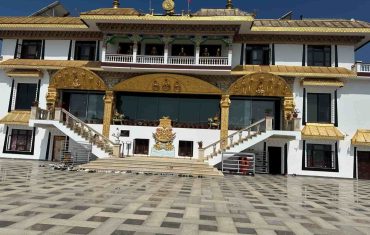
Key Monasteries: Jampa Lakhang (15th-century Maitreya temple with remarkable murals), Thubchen Gompa (massive prayer hall currently undergoing restoration), and Chhoede Gompa (active monastery with resident monks)
Atmosphere: Narrow alleys between whitewashed houses, prayer flags strung between buildings, elderly residents spinning prayer wheels, and daily life scenes of yak herders and barley farmers
Monastery Etiquette: Small entrance fees (typically NPR 300–500) support ongoing conservation; modest dress required, shoes removed before entering, and photography often restricted inside temples
Accommodation: Simple guesthouses and a few more comfortable lodges offer twin rooms with shared facilities; basic teahouses provide dal bhat, thukpa, and Tibetan bread
Most itineraries include two full days based in Lo Manthang for side trips and cultural exploration, allowing time to absorb the region’s culture without rushing.

Ancient Sky Caves and Chhoser Valley
Upper Mustang contains thousands of man-made caves carved into cliff faces over millennia, with some of the most accessible and spectacular examples located near Chhoser and Garphu, north of Lo Manthang.
These ancient sky caves served multiple purposes throughout history—meditation retreats for Buddhist practitioners, burial sites containing remains dating back 2,500 years (discovered by archaeologists in recent decades), storage for manuscripts and religious artifacts, and refuges along trade routes connecting Tibet with lowland Nepal.
Jhong Cave Complex: Multi-level cave system with wooden ladders connecting ancient rooms carved into vertical cliffs; accessible via a half-day hike from Lo Manthang
Chhoser Caves: Cave monasteries with faded murals overlooking the valley, reachable by foot or horseback as a day excursion
Garphu Gompa: Active cave monastery at approximately 3,820 m with resident monks and spectacular views across the high plateau
Access Requirements: Local guides are essential for safe navigation of ladders and trails; small entrance fees support community maintenance
Archaeological Significance: Research teams have discovered ancient human remains, bronze statues, and manuscripts in Upper Mustang’s sky caves, making this one of the most important archaeological zones in the Himalaya
A full-day excursion to the caves from Lo Manthang ranks among the cultural highlights of the trek, offering insight into the spiritual and practical history of Tibetan Buddhist traditions in this remote location.
Kali Gandaki Gorge and Shaligram Valley
The Kali Gandaki River carves one of the world’s deepest gorges between Dhaulagiri (8,167 m) and Annapurna I (8,091 m), creating the main access corridor into Upper Mustang and a dramatic introduction to the region.
Walking stages between Jomsom, Kagbeni, and Chhusang often follow the riverbed itself, with towering cliffs and wind-sculpted formations on either side. The views of snow-capped peaks rising over 5,000 meters above the valley floor remain among the most impressive in all Himalayan trekking.
Shaligram Fossils: The riverbed contains black ammonite fossils sacred to Hindus as manifestations of Lord Vishnu, identifiable by their spiral patterns
Local Tradition: Villagers historically searched for and traded these fossils; you may observe this activity along the river, though collecting or exporting Shaligram stones should be avoided out of cultural respect and legal considerations
Wind Patterns: Afternoon winds funnel up the gorge with considerable force, often requiring early starts to walking days in the lower Kali Gandaki gorge sections
Geological Drama: Multi-colored cliff bands, ancient lake deposits, and wind-eroded pillars create a landscape unlike anything in lower Nepal
Tibetan Culture, Festivals, and Daily Life
Trekking in Upper Mustang offers immersion in a living Tibetan Buddhist culture that has survived virtually intact due to the region’s isolation and restricted status.
Villages display the visual markers of Tibetan Buddhist heritage at every turn: mani walls inscribed with sacred mantras line pathways, chortens (stupas) mark village entrances, and prayer flags flutter from rooftops and mountain passes. Residents speak a Tibetan dialect, wear traditional clothing, and maintain customs that have changed little over centuries.
Tiji Festival: The most famous celebration of Upper Mustang, held over three days in May in Lo Manthang, features traditional masked dances, elaborate costumes, horn music, and ceremonies to “chase away demons” and ensure community prosperity
Yartung Horse Festival: Celebrated in various Mustang villages (including near Muktinath) around August, featuring horse racing, archery, and traditional sports
Daily Monastery Life: Morning pujas (prayer ceremonies), butter lamp offerings, and the rhythm of monastic routine continue as they have for centuries
Respectful Behavior: Walk clockwise around chortens and mani walls, ask permission before photographing local people, dress modestly when visiting historic monasteries, and remove shoes before entering religious buildings or private homes
Gurkha Expeditions can tailor itineraries to coincide with Tiji or other festivals, arranging permits and accommodation well in advance since demand peaks during these periods.
Difficulty, Altitude, and Preparation
Upper Mustang rates as a moderate trek by Himalayan standards. There’s no technical climbing involved, no glacier crossings, and no extreme altitude—but the combination of sustained high elevation, long dusty walking days, relentless sun exposure, and strong winds requires solid preparation.
The terrain doesn’t demand mountaineering skills, but it does require endurance, mental adaptability, and respect for altitude. Trekkers who can comfortably walk 5–7 hours daily on hilly terrain and who prepare appropriately before departure generally complete the trek without difficulty.
Altitude and Acclimatization
While the upper Mustang doesn’t reach the extreme elevations of Everest Base Camp or high passes, sustained altitudes between 3,000 m and 4,200 m affect most trekkers to some degree.
Elevation Profile: Starting from Jomsom (approximately 2,700 m), the trekking trail gradually gains altitude through villages at 3,000–3,600 m before reaching Lo Manthang (3,840 m) and nearby passes up to 4,230 m
Oxygen Levels: At these altitudes, available oxygen drops to roughly 60–70% of sea-level concentrations, making physical exertion noticeably harder
AMS Awareness: Symptoms of Acute Mountain Sickness—headache, nausea, dizziness, poor sleep—affect 20–40% of trekkers ascending above 3,500 m; most cases remain mild and resolve with rest
Acclimatization Strategy: Gurkha Expeditions itineraries build in gradual ascent rates (typically 300–500 m altitude gain between overnight stops) and include rest days in Lo Manthang for acclimatization hikes
Climb High, Sleep Low: Day hikes to viewpoints or caves from Lo Manthang follow this principle, ascending to a higher altitude during the day, then returning to sleep at a lower elevation
When to Descend: If symptoms worsen despite rest—particularly confusion, severe headache, or breathing difficulty—descending immediately remains the only reliable treatment
Consult your doctor before travel about the risks of altitude sickness, potential prophylactic medications such as acetazolamide, and any personal health factors that may affect high-altitude trekking.
Fitness and Training
Realistic expectations help you prepare appropriately for the physical demands of trekking in Upper Mustang.
Daily Duration: Expect 5–7 hours of walking most days, occasionally extending to 8 hours on longer stages
Consecutive Days: The trek involves 10–14 consecutive days of walking without rest days (beyond exploration days in Lo Manthang)
Terrain Challenges: Steep ascents and descents on rocky trails, dusty riverbeds, and wind-exposed passes; altitude makes everything feel harder than equivalent terrain at sea level
Pre-Trip Training (6–8 weeks minimum):
- Regular hiking with a loaded daypack (8–10 kg) on varied terrain
- Stair climbing or hill repeats 3–4 times weekly
- Cardio conditioning (running, cycling, swimming) to build an aerobic base
- Practice walking in your actual trekking boots and with your backpack to identify fit issues before departure
Pace Flexibility: Gurkha Expeditions can adapt daily distances and rest days to guests’ abilities, using additional days where necessary to ensure everyone completes the trek comfortably at their own pace.
Accommodation, Food, Water, and Connectivity
Infrastructure in Upper Mustang has improved significantly since the region opened to trekking, but expectations should remain realistic. This isn’t the well-developed teahouse circuit of the Annapurna Base Camp trail—facilities are simpler, menus are more limited, and modern conveniences are scarcer.
That said, the combination of basic comforts, warm hospitality, and authentic village atmosphere creates an experience many trekkers prefer to more commercialized routes.
Teahouse Accommodation
Lodging throughout Upper Mustang consists of family-run guesthouses and small lodges, ranging from quite basic in remote villages to reasonably comfortable in Jomsom, Kagbeni, and Lo Manthang.
Room Standard: Twin beds with foam mattresses, blankets or quilts, and small windows; sleeping bags strongly recommended for both warmth and hygiene
Bathroom Facilities: Shared toilets and washing facilities in most locations; some lower-altitude lodges offer attached bathrooms with solar-heated showers
Heating: Common dining rooms typically have wood or dung stoves providing evening warmth; bedrooms are generally unheated and can drop to freezing temperatures at night
Booking Strategy: During high season (October–November) and festival periods, Gurkha Expeditions pre-books lodges to guarantee space in this restricted region with limited bed capacity
Accommodation standards represent part of the Upper Mustang experience—simple rooms in ancient villages contribute to the sense of journeying into a different time.
Food, Drinks, and Safe Water
Menus across Upper Mustang follow predictable patterns, with local dishes supplemented by familiar Nepali and international options.
Staple Meals: Dal bhat (lentil soup, rice, vegetables, pickles), fried rice, noodle soups (thukpa), momos (dumplings, where available), Tibetan bread, potato dishes, and basic vegetable curries
Meat Availability: Fresh meat becomes scarce further north due to a lack of refrigeration and Buddhist cultural considerations around slaughter; vegetarian options are often the best choice
Drinks: Tea (black, milk, butter), instant coffee, hot chocolate, and soft drinks are widely available; beer and local alcohol are sold in some lodges, but should be consumed sparingly, given altitude effects
Safe Water: Tap and stream water should not be drunk untreated. Carry a reusable water bottle with a purification method (filter, tablets, or UV purifier) to avoid single-use plastic bottles
Gurkha Expeditions strongly encourages refilling water bottles with purified water rather than purchasing bottled water, reducing plastic waste in this fragile environment.
Electricity, Mobile Network, and Internet
Upper Mustang’s villages have gradually modernized their power infrastructure, but supply remains limited and unreliable compared to urban Nepal.
Power Sources: Most villages now have micro-hydro or solar electricity, though supply can be inconsistent with frequent cuts, especially in winter or cloudy weather
Device Charging: Available in lodge dining rooms for a small fee (typically NPR 100–300 per device); charging may be restricted to certain hours when generators run
Mobile Coverage: NTC and Ncell signals are generally available in Jomsom and Kagbeni; patchy and improving in upper villages, including Lo Manthang
Internet Access: 3G/4G data and lodge Wi-Fi exist but remain slow and unreliable; don’t expect to work remotely or stream video
Preparation Strategy: Bring power banks, spare camera batteries, and download offline maps, reading material, and entertainment before leaving Pokhara or Kathmandu
Treating the trek as largely offline time adds to the experience of disconnecting from modern life and immersing in the ancient rhythms of Upper Mustang.
Costs, Budgeting, and Booking
Upper Mustang ranks among Nepal’s more expensive treks due to the special permit requirements and transportation logistics, but the uniqueness of the experience offers strong value for adventure travelers seeking something beyond mainstream routes.
Package Options from Gurkha Expeditions:
Full-Service Packages (USD 2,200–3,000 per person): Include all permits, domestic flights/transport, licensed guide, porter, accommodation, all meals, and airport transfers
Semi-Supported Options: Cover permits, guide, and transport with meals purchased independently on the trail
Private Departures: Available for couples, families, or groups wanting flexibility on dates and pace; quoted based on group size
Festival Departures: Tiji Festival treks command premium pricing due to accommodation demand; book 4–6 months in advance
Booking with a local operator like Gurkha Expeditions benefits both travelers and communities: direct employment for local guides and porters, relationships with family-run lodges ensuring authentic experiences, and in-country support if flight cancellations or weather issues require itinerary adjustments.
Ready to plan your Upper Mustang adventure? Contact Gurkha Expeditions via email at info@gurkhaexpeditions.com or WhatsApp for a tailored itinerary, festival departure dates, or combined trips linking the Mustang trek with the Annapurna Circuit or Manaslu region.
Packing List and Trekking Gear for Upper Mustang
Upper Mustang’s dry, windy, and intensely sunny conditions require specific gear considerations beyond standard Himalayan trekking equipment. The goal is packing light while ensuring protection from dust, wind, UV exposure, and temperature swings.
The following checklist focuses on items particularly important for this region:
Clothing:
- Windproof and water-resistant outer jacket (most important layer for Upper Mustang conditions)
- Down or synthetic insulated jacket for cold mornings and evenings
- Lightweight fleece or midlayer
- Long-sleeved hiking shirts (2–3) for sun protection
- Trekking pants (2 pairs) and shorts for the lower sections
- Thermal base layers for sleeping
- Warm hat and lightweight sun hat
- Buff or neck gaiter that can cover nose and mouth against dust
- Gloves (liner plus warmer pair)
Footwear:
- Broken-in trekking boots with ankle support
- Camp sandals or light shoes for evenings
- Warm socks (3–4 pairs wool or synthetic)
- Gaiters (optional but useful for dusty riverbed sections)
Sleeping Gear:
- Sleeping bag rated to -10°C or below (rental available in Kathmandu)
- Silk or fleece liner for added warmth and hygiene
Accessories:
- Trekking poles (highly recommended for steep descents and river crossings)
- Sunglasses with high UV protection (Category 3 or 4)
- Sun protection: high SPF sunscreen, lip balm with SPF
- Headlamp with spare batteries
- Reusable water bottles (1–2 liters) plus purification
- Small daypack (25–30 liters) for daily essentials
- Power bank and charging cables
- Toiletries and personal medications
- First aid kit basics
- Camera with dust protection
Documents:
- Passport (original required at checkpoints)
- Travel insurance documentation
- Emergency contact information
- Cash in small denominations (NPR for trail purchases)
Luggage Logistics:
- Main duffel bag (12–15 kg limit) carried by porter
- Daypack (6–8 kg) carried by trekker with daily essentials
Gurkha Expeditions can assist with gear rental in Kathmandu for items like sleeping bags, down jackets, and trekking poles if you prefer not to purchase everything or don’t want to carry items from home.
Key Takeaways:
- Upper Mustang trek offers a rare window into living Tibetan Buddhist culture within Nepal’s borders
- Restricted area permits, mandatory guides, and controlled numbers preserve fragile heritage
- The rain shadow makes this one of the few Nepal treks viable during the monsoon season
- Moderate difficulty suits prepared trekkers comfortable with sustained altitude and long walking days
- Working with a local agency like Gurkha Expeditions ensures proper permits, authentic trail experiences, and community benefit
Planning Your Trek:
Whether you’re drawn to the walled city of Lo Manthang, the ancient caves of Chhoser, or simply the freedom of walking through high-altitude desert landscapes, the Upper Mustang trek delivers an experience unlike any other region in Nepal.
Gurkha Expeditions has organized small-group and private departures to Upper Mustang since 2022, handling all logistics while prioritizing authentic trails, local communities, and sustainable practices.
Contact us today to discuss your ideal itinerary—standard routes, festival timing, extended exploration, or combination treks—and take the first step toward Nepal’s last hidden kingdom.