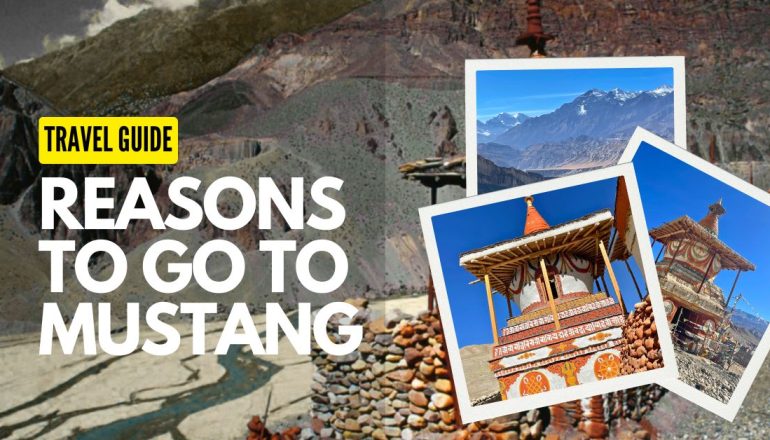
If you’re hunting for a trekking adventure that breaks the mold, the Upper Mustang Trek should be at the very top of your list. There are many reasons to trek Upper Mustang, from its unique cultural significance and unspoiled scenery to the chance to explore a remote region.
Its environment is as pristine as it is remote. Moreover, Upper Mustang is famous for its isolation, untouched culture, and landscapes that are just plain different from everywhere else.
At Gurkha Expeditions, we’ve guided thousands of adventurers through this mystical region in northern Nepal. In this article, we’re going to give you the top reasons to visit Upper Mustang. We’ll also show you what makes it so special. Here are the top 10 reasons why the Upper Mustang Trek keeps winning hearts around the world.
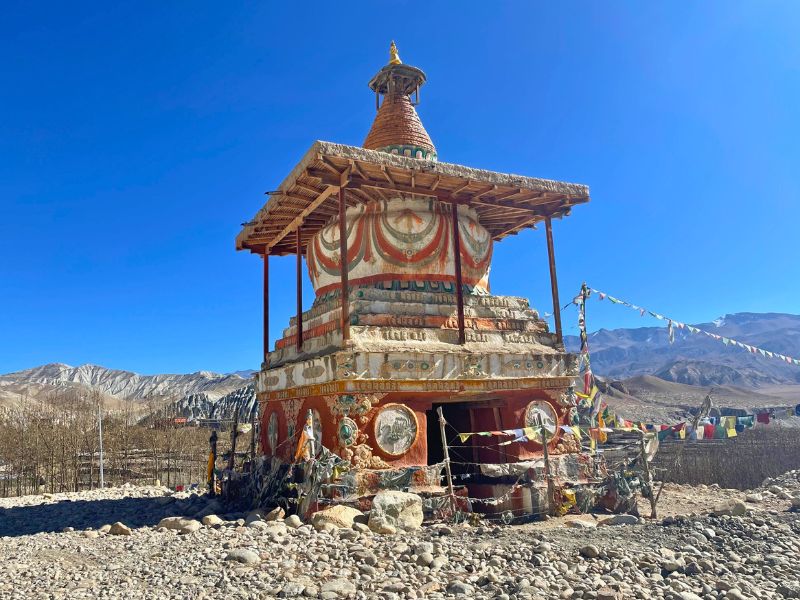
1. Step into a Time Capsule of Tibetan Buddhist Culture
Upper Mustang is more than just a hike – it’s a spiritual journey that’ll take you back in time. Some call it a “living museum” because the Upper Mustang region preserves the ancient Tibetan culture. This preservation is impossible to find anywhere else.
The locals, who are the descendants of Tibetan migrants, still live in traditions that have been intact for centuries. They’re still practicing traditional Tibetan customs and still celebrating festivals. They are living their lives in the way that’s been passed down through generations.
The region has a strong Tibetan influence, and it’s visible in everything from the ancient monasteries to the stupas and the colourful festivals. These old monasteries, many dating back centuries, are showcases of unique art and architecture. Moreover, they reflect this strong Tibetan influence.
The Upper Mustang is a place where you can still see the ancient Tibetan way. You will get a glimpse of spiritual practices and cultural heritage that have been around for centuries. You’ll see traditional architecture, monasteries, and local customs. Local communities and tourism regulations carefully preserve all of it.
The Buddhist monks play a vital role in the region, too. They are the ones who keep the spiritual practices, lead the rituals, and are the guardians of the cultural and religious significance of the monasteries and festivals. Along the way, you’ll see the most amazing prayer flags, mani walls, and ancient monasteries. These tell the story of the rich cultural heritage deeply rooted in Tibetan Buddhism.
Catch the Festivals That Bring the Culture to Life
If you time your visit right, you can catch epic cultural celebrations like the Tiji Festival – three days of non-stop colour and energy as good fights evil with costumes, drumming, and dances. And then there is the Yartung Festival – a lively party with horse racing and feasting. And it is all a celebration of the rich culture of the Mustang Valley.
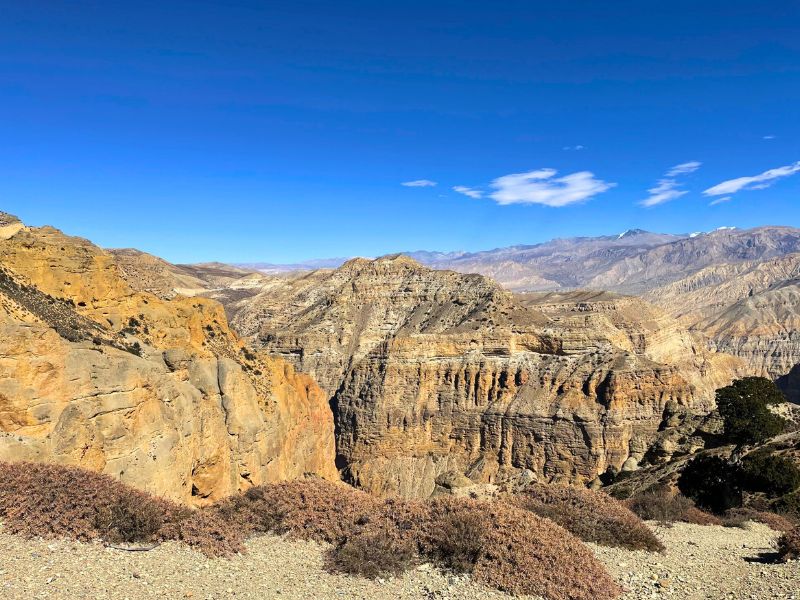
2. Trek Through Landscapes That’ll Leave You Breathless
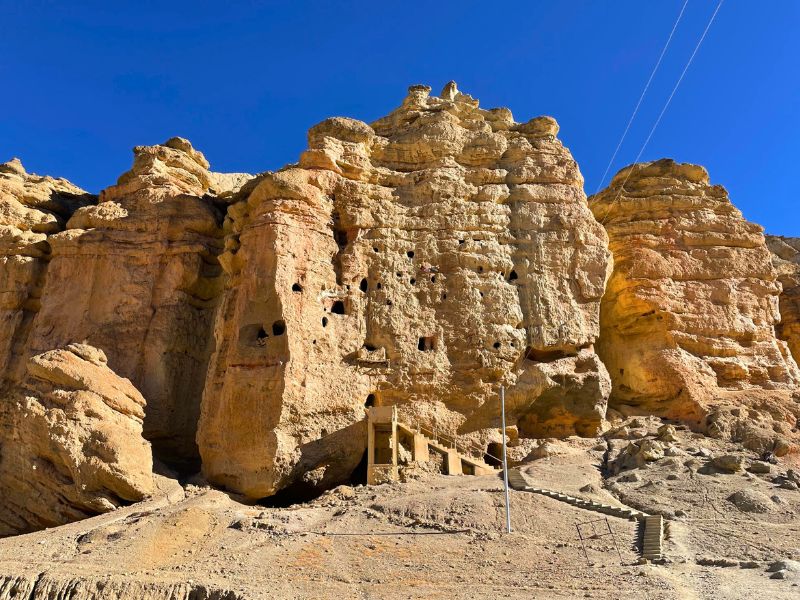
Upper Mustang is a high-altitude desert with arid landscapes and wind-sculpted rock formations in incredible reds and browns. It’s a place with red cliffs, sandy dunes, and narrow valleys, creating a dramatic, captivating environment unlike anything else.
The surreal, otherworldly landscapes here stand out from the lush forests and green hills you find elsewhere in Nepal, highlighting the unique natural beauty of the region. If you’re doing the trek, you’ll start off in lush forests and greenery, and then as you go up, you’ll see the stark, high-altitude desert terrain that makes Upper Mustang so unique.
Because it’s in the Himalayas’ rain shadow, this trek lets you explore breathtaking terrain even in the monsoon season. From deep canyons to rugged cliffs, the scenery here is unlike any other trek in Nepal – even Everest Base Camp can’t compete.
Discover Remote Villages Frozen in Time
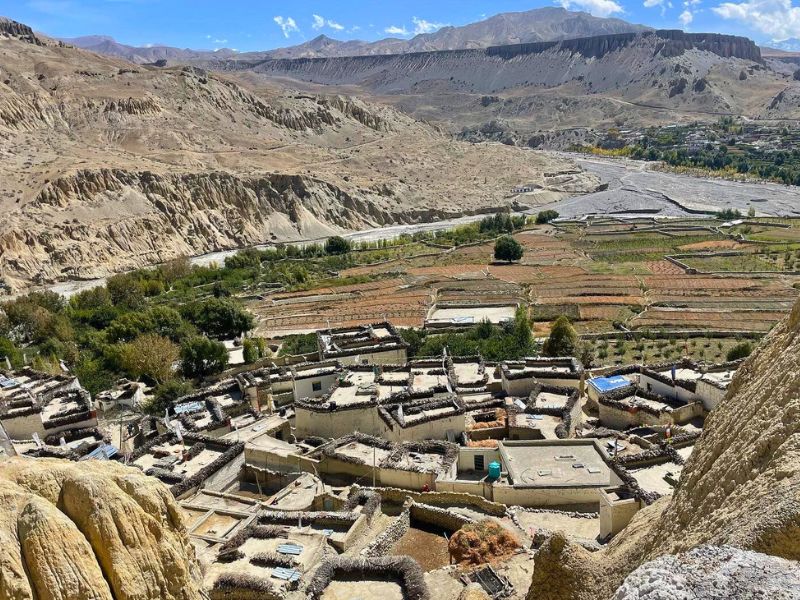
You’ll be trekking through remote villages like Kagbeni, Chhusang, and Tsarang – and they feel like they’ve been stuck in time. The Upper Mustang is one of the least populated areas in the Himalayas due to its remote, isolated location.
These stone-built settlements, ancient monasteries, and welcoming locals give you a rare glimpse into traditional lifestyles.
You can see the importance of local culture in these villages – there’s Tibetan-influenced architecture, unique customs, and traditional festivals like Tiji, Yartung, and Lhosar. It’s a deep insight into the area’s history and way of life.
3. Visit Ancient Monasteries That Echo with History
Upper Mustang is dotted with ancient monasteries, architectural gems, and spiritual hubs. Places like Lo Gekar Monastery, dating back to the 8th century, and Thubchen Gompa, with its vibrant murals, offer a glimpse into the region’s rich history and religious significance.
In addition to monasteries, Upper Mustang is renowned for its ancient caves – both the artificial ones and the ones formed naturally by the land – which hold immense archaeological value.
The region has no less than 10,000 artificial sky caves & ancient treasures that need to be carefully preserved. Archaeologists have dug through these caves and uncovered some pretty fascinating stuff – ancient manuscripts, relics, and artifacts that have given us some invaluable insights into the lives of the ancient Tibetan and Mustang civilizations.
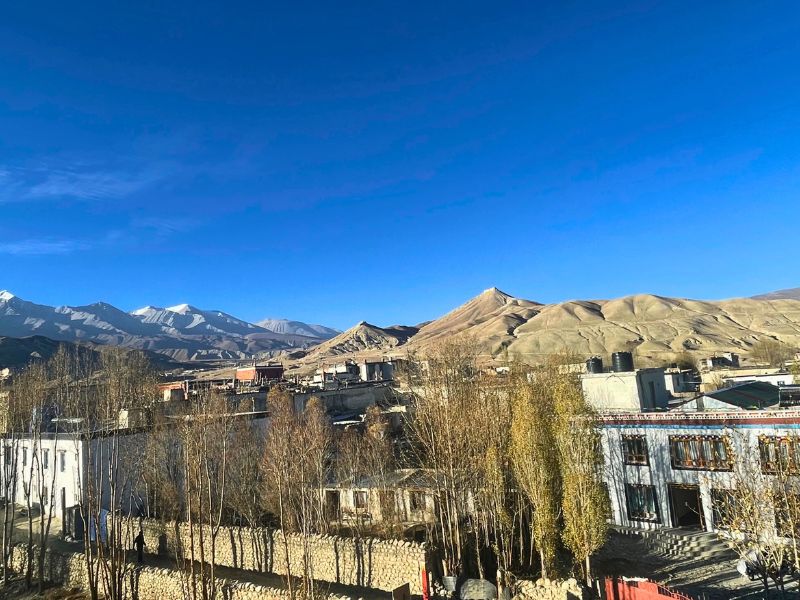
4. Explore the Once Forbidden Kingdom of Lo
This trek takes you deep into the heart of Upper Mustang, a place that was once its own independent kingdom, the Kingdom of Lo, from the 15th to the 17th century. Now you get to explore Lo Manthang, the old capital city of Upper Mustang. It is a walled city that holds onto the old culture and traditions of the Lo people in a really special way. In fact, it’s like stepping back in time.
The city’s isolation over the years has helped preserve its unique cultural identity. Wander around the royal palace and the old streets. Also, explore the mysterious sky caves, home to paintings and artifacts dating back hundreds of years. It’s like taking a step back in time.
5. Savor Authentic Tibetan and Nepali Flavors
The food in Upper Mustang is just as authentic as the culture – it’s like a taste of the old Tibet that still exists here today. They’ve got a whole range of traditional Tibetan and Nepali dishes. These dishes show you what the region is all about.
Try traditional Tibetan dishes like Thukpa (a hearty noodle soup) and Tsampa (roasted barley flour), or Momos (dumplings). And don’t even get me started on the buttery, salty local favorite – butter tea!
As you make your way along the trail, you’ll find local teahouses serving up all sorts of local specialties like Chhang (a traditional drink). You can also try fresh apple products from Marpha, the “apple city”.
6. Immerse Yourself in Vibrant Festivals
The Tiji and Yartung festivals aren’t just events; they’re full-blown cultural spectacles. Tiji’s dramatic masked dances and ritual ceremonies bring ancient myths to life. Meanwhile, Yartung’s horse races and communal feasts celebrate community spirit and tradition in a way that’s just infectious.
7. Encounter Unique Wildlife and Alpine Flora
Beyond the history and culture, Upper Mustang has a stunning natural landscape just waiting to be explored. Keep an eye out for rare animals like the snow leopard, musk deer, and blue sheep. The alpine environment is home to some pretty unique flora, like blue puppies (if you can believe that name!) and juniper. As a result, it’s a paradise for nature lovers.
8. Take on a Moderate but Rewarding Trek
The Upper Mustang trek is a classic trekking route that covers around 125-160 kilometres, with some pretty fantastic views along the way. You will go from 3000 to 3800 metres altitude, with the highest point being the stunning Lo Manthang at 3810 metres.
You’ll be trekking for around 13-15 days, which should give you plenty of time to take it all in. This trek isn’t too challenging, with no really difficult mountain passes. Therefore, it’s a great option for anyone with a reasonable level of fitness. As you walk, you’ll have the chance to stay in tea houses, lodges, or even camp out under the stars.
And let me tell you, the views of the Dhaulagiri mountain ranges, the Annapurna conservation area, and the Kali Gandaki River flowing through one of the world’s most spectacular gorges are truly breathtaking.
9. Experience Genuine Warmth and Hospitality
The Loba people of Upper Mustang are famous for their warm hospitality. They’re really proud of their preserved Tibetan culture. It shows in every interaction. In fact, you’ll get a real sense of what it means to be part of this community.
As you hike through Upper Mustang, you’ll have plenty of opportunities to engage with locals. You can learn about their customs and festivals as well. Moreover, you’ll get a real feel for the influence of Tibetan Buddhism on the region.
Plus, by trekking in Upper Mustang, you’re supporting local communities. Tourism is one of the main sources of income in the area.
10. Find Peace in a Remote, Less Crowded Trekking Paradise
Unlike some of the more crowded trails, Upper Mustang is a restricted area. It helps keep the crowds away and preserve its natural beauty. It’s a lot more peaceful and serene than some of the other treks in Nepal. That’s what makes it such a special place. You can really get away from it all and enjoy some untouched wilderness and genuine cultural encounters.
Often referred to as the ‘Forbidden Kingdom‘, this region is like a time capsule. It’s a glimpse into a preserved Tibetan-influenced culture that’s just waiting to be discovered.
If you’re after an authentic adventure, then Upper Mustang is definitely the place to come. The landscapes are breathtaking. Additionally, the rugged beauty of the Himalayan desert is just incredible.
Also, read the Ultimate Upper Mustang Trek Guide if you are planning today!
Bonus: Adventure Activities Beyond Trekking
Trekking in Upper Mustang is just the beginning. This remarkable region offers a whole lot more – like the thrill of mountain biking along some truly rugged trails. In addition, jeep tours offer the comfort of those who prefer to take it easy. You can experience the dramatic landscapes, deep canyons, and the stunning rock formations of this place in a whole new way.
The Permit Situation: What You Need to Know
Heading to Upper Mustang requires a special sort of permission: a Restricted Area Permit, which’ll set you back $50 for per day. And don’t even get me started on the paperwork – these restricted area permit rules are mandatory for foreign visitors. It helps to preserve the pristine environment and the unique culture.
You’ll also need to get an Annapurna Conservation Area Project (ACAP) permit, which supports the good conservation work in the region. Luckily, Gurkha Expeditions has all of this sorted out for you. So you don’t have to lift a finger.
When’s The Best Time to Get There?
The best times to trek Upper Mustang are spring (March to May) and autumn (September to November) when the weather is mild, and the sky is clear. It is in a rain shadow, so it receives less rainfall, making it a great place for year-round trekking. During the monsoon season, it tends to be drier because of its location. If you’re okay with some rain, you can visit anytime of the year.
Final Thoughts: This Is No Ordinary Hike
The Upper Mustang Trek is more than just walking. It’s a journey back in time. It allows you to experience the local culture and lifestyle. Walking the trail deepens your understanding of the region’s spiritual and cultural significance. Take time to chat with locals and explore ancient monasteries to get a fuller picture.
The Upper Mustang was once a major salt trade route between Nepal and Tibet. This history is still visible today. You can see it in the Tibetan plateaus, the high-altitude terrain, and the area’s rich cultural heritage.
Don’t miss the Chooser Cave Monastery. It’s a highlight of the trip. It offers a real sense of the Tibetan Buddhist legacy of Mustang. You’ll find ancient writings, mysterious caves, and lively local festivals. There’s something for everyone.
Are you ready to explore this once forbidden kingdom? To experience its rich Tibetan Buddhist culture? Gurkha Expeditions will guide you every step of the way.
Let us help make your Upper Mustang adventure memorable. Contact us today. Start planning your journey to one of Nepal’s hidden gems. gems.