Wondering when to visit Upper Mustang? This guide is for anyone planning a trip to this restricted region in Nepal. It covers the key points about seasonal weather, cultural events, and more. We’ll share the best time to visit Upper Mustang and how your trip timing can shape your experience in this unique place.
Upper Mustang, known as the ‘Last Forbidden Kingdom,’ is a remote, dry region in Nepal’s trans-Himalayan mountains, near Tibet. It’s famous for its Tibetan Buddhist culture, ancient monasteries, and stunning landscapes. For trekkers, it offers a unique mix of tradition and natural beauty—but it’s definitely a tough journey.
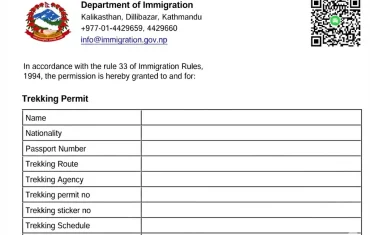
When you visit Upper Mustang, timing really matters. Weather, festivals, and how easy it is to get there all affect your trip. Since the area is restricted to protect its culture, you’ll need a special permit and must hire a licensed guide—solo trekking isn’t allowed. Trekking in Upper Mustang is challenging because of the high altitude (up to 3,800 meters), but the dry weather means you can even trek during the monsoon season.
The Upper Mustang region lies in a rain shadow, so it stays mostly dry year-round. That’s why it’s a great place for trekking, even when the rest of Nepal is wet. Every season has its ups and downs, but keep reading to find out the best time to visit and how to get the most from your trip.
Spring Season – March to May
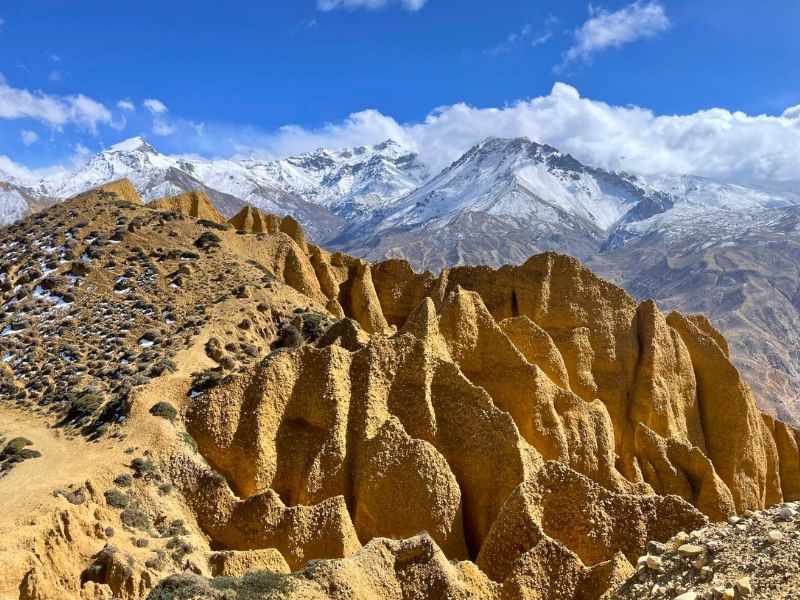
Spring and autumn are when Upper Mustang truly shines. Spring brings comfortable temperatures (16°C to 22°C), clear blue skies, and vibrant flowers, creating ideal trekking conditions.
Weather and Scenery
This is a prime time to visit Upper Mustang, with pleasant weather and clear skies enhancing the impressive landscape.
Cultural Highlights
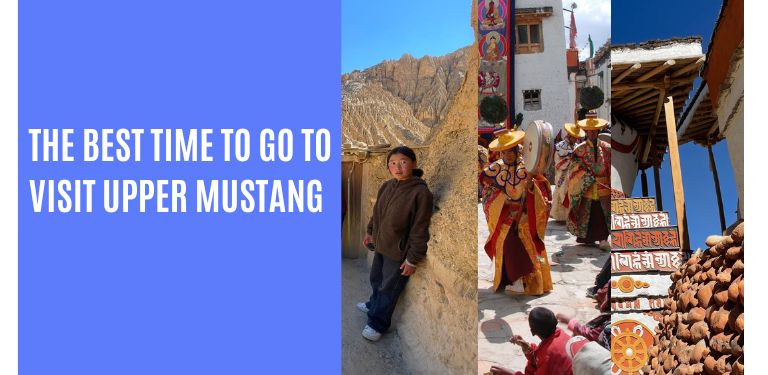
Spring is when the Tiji Festival takes place in Lo Manthang, usually over three days in May. This important event, rooted in local Tibetan Buddhist tradition, celebrates the victory of good over evil through elaborate ceremonies. Rituals include masked dances reenacting legendary stories of the region, and monks perform symbolic acts meant to drive away negativity and ensure prosperity for the community. Participants and locals gather for prayers, vibrant processions, and blessings unique to Upper Mustang.
- Colourful masked dances and rituals that are truly captivating
- These traditional performances, involving music, dance, and symbolic gestures, have been handed down for generations and remain essential to the festival’s atmosphere.
- The festival lets trekkers experience authentic Tibetan Buddhist practices and immerse themselves in local culture rarely seen by visitors.
Trekking Difficulty
The trek is tough—high altitude and rough terrain challenge even fit trekkers. Dry air can heighten the risk of altitude sickness, so prepare well.
Preparation Tips:
- Make sure you’re in good physical shape.
- Follow the proper acclimatization tips.
- Dress for changing temperatures.
Summary: Spring in Upper Mustang offers mild temperatures, clear skies, and the Tiji Festival—a seasonal highlight and a top time to visit.
As spring gives way to the monsoon season, the landscape of Upper Mustang and trekking experience begin to shift—making it important to consider how the next period will change accessibility and opportunities.
Monsoon Season – June to September
Weather and Scenery
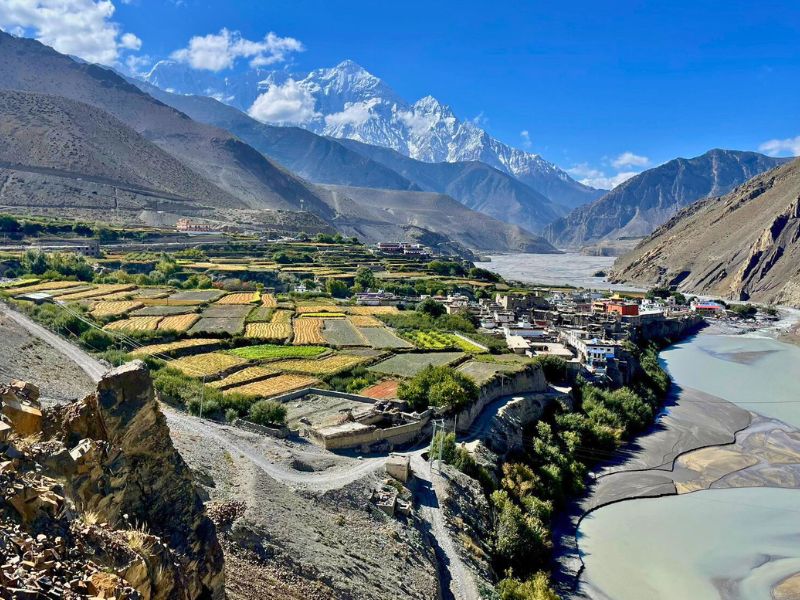
While much of Nepal is hit hard by monsoon rains, Upper Mustang remains mostly dry because it lies in a rainshadow. This makes it a great place for summer trekking. However, it’s important to know that flights to and from lower Mustang and Jomsom can still be delayed due to poor weather or low visibility, especially in the monsoon months.
If you experience a flight delay, consider the overland option; you can travel by jeep or bus from Pokhara to Jomsom, though this journey can be long and bumpy. To avoid missing your trek or onward plans, it’s smart to build in a buffer of a day or two into your schedule to account for potential travel disruptions.
Upper Mustang remains dry in the monsoon season, making it ideal for summer trekkers seeking adventure off the beaten path.
Cultural Highlights
August brings the Yartung Festival, a local multi-day horse festival held in Lo Manthang and nearby villages. This event marks the end of summer and features spirited horse racing, where riders test their skill and speed in friendly competitions. The festival involves large community gatherings, traditional ceremonies, and blessings, promoting unity and preserving ancient customs among villagers.
- Festival participants, many in traditional attire, showcase remarkable horsemanship in thrilling races, with large crowds cheering for their favorites. These horse competitions are the centerpiece of Yartung.
- Traditional archery contests
- Traditional games and celebrations in Lo Manthang and nearby villages
This festival is a highlight of the off-season and an excellent window into local life.
Trekking Difficulty
Trekking in Upper Mustang during the monsoon is generally a good idea due to the dry conditions, though travelers from wetter areas should expect muddy routes and delays. Trekking at high altitude is always difficult.
Preparation Tips:
- Make sure you’re in good physical shape.
- Pack appropriate clothing for changing weather.
- Be prepared for possible travel delays in the lower regions.
Monsoon is off-peak, offering dry treks and lively festivals, but expect travel delays in the lower regions.
Following the monsoon, autumn arrives, widely regarded as an optimal period for trekking in Upper Mustang thanks to better weather and clearer views.
Autumn Season – October to November
Weather and Scenery
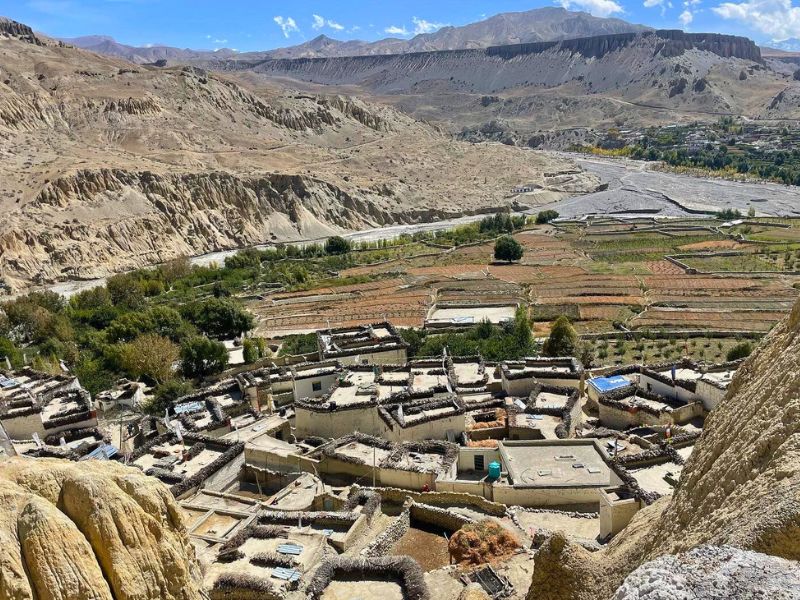
Autumn offers stable weather and exceptional mountain views—especially of snow-capped peaks and the Kali Gandaki gorge.
Summary: Autumn offers clear views of peaks like Annapurna and Dhaulagiri. This is the peak trekking season—the ideal time.
Trekking Difficulty
The high altitude and rugged terrain mean daily walks of 12 to 18 kilometers, with elevation gains of 400 to 800 meters over high passes and valleys. Most accommodations are basic teahouses or local lodges, though some villages offer slightly more comfort. Good fitness and acclimatization to altitude make the experience rewarding.
Autumn requires fitness and preparation, but the scenery and weather reward the effort. As temperatures drop, it soon becomes very cold with a higher chance of snow.
- Trekking at high altitude, up to 3,800 meters here, is a substantial challenge.
Preparation Tips:
- Be prepared for changing temperatures, especially towards the end of the season.
- Make sure you get proper acclimatization.
- Bring layers to keep you warm and protected from the wind.
Summary: Autumn weather in Upper Mustang is stable, with clear skies and amazing landscapes—a real gem for trekkers.
After autumn, winter swiftly envelops Upper Mustang, bringing much harsher conditions and reduced services compared to earlier seasons.
Winter Season – December to February
Weather and Scenery
Winter brings a serene, snow-covered Upper Mustang with a fair few frosty days and a good covering of the white stuff on the trails and in the villages.
Accessibility and Services
- Many locals head to warmer places like Pokhara or Kathmandu during this time.
- A few teahouses and lodges tend to shut up shop for the season.
- Also, snow often blocks the trails, so do not expect easy access during this time.
Trekking Difficulty
- Winter trekking is very hard and not for beginners. You need to be in excellent shape to manage it.
- The extreme cold and snow make altitude sickness and exposure more likely, so you must be well prepared.
- Even with winter snow, high-altitude trekking remains a serious challenge here.
Preparation Tips:
- If you are new to trekking or not used to very cold weather, do not attempt winter trekking, as it is very risky.
- Carry all the specialist gear and clothing you’ll need to stay safe and warm.
- Also, prepare for basic accommodation and food options—you may have to make do with limited comforts.
Winter in Upper Mustang is the hardest time to visit. Harsh weather and limited services mean only experienced trekkers should consider it.
As the harshness of winter fades, Upper Mustang reawakens with spring, returning favorable trekking conditions and new possibilities for adventure.
Conclusion
If you want to visit Upper Mustang, autumn and spring are best, as they offer good weather, clear skies, and pleasant temperatures. Spring’s blooming landscapes and the Tiji Festival are highlights, while autumn brings stable weather and stunning views of snow-capped peaks and deep gorges. Monsoon stays dry in Upper Mustang because it’s in a rain shadow, though lower Mustang and flights may be impacted. Winter isn’t ideal: snow-covered landscapes are beautiful, but the extreme cold and limited accommodation make it a real challenge.
Key Preparation Tips for All Seasons:
- Sort out that special restricted area permit before you go.
- Hiring a certified guide is a must—solo trekking is not permitted.
- Get yourself in some good physical shape and be prepared to acclimatise properly.
- Pack the right clothes for the season—don’t be the tourist who ends up freezing.
- Also, be careful about what you drink and stay well hydrated.
Upper Mustang is truly a magical place, rich in culture with its Tibetan Buddhist heritage, ancient caves, rock paintings, and breathtaking scenery. Being a restricted area adds to its charm. With good planning, you can enjoy its culture, adventure, and stunning beauty. Start planning today with this comprehensive guide to the Upper Mustang trek!
Gurkha Expeditions specialise in making sure you get the best out of Upper Mustang – with expert guides, secure logistics, and itineraries tailored just for you.