Choosing between Langtang Gosaikunda and Everest Base Camp isn’t about which trek is better. It’s about which one actually fits how you travel, how you handle altitude, and what you want to live with for two weeks on the trail.
I’ve guided both routes repeatedly over the years. What I see again and again is this:
You don’t struggle because a trek is hard, you struggle because you chose the wrong one for yourself.
Everest Base Camp is iconic because of Everest. It comes with higher altitude exposure, logistics start with a flight to Lukla, costs add up quickly, and in peak season you’re rarely alone from the first step to base camp.
On the other side, Langtang Gosaikunda stays closer to Kathmandu. The trail moves through living mountain valleys, then climbs toward a sacred high-altitude lake and pass. There are no flights, the logistics stay simple, and the trail opens up once you leave the main valley.
This comparison is here to help you make the decision that still feels right on day ten, not the one that sounded good at the start.
Explore each trek in detail.
Key Takeaways
Everest Base Camp is a high-altitude trekking route in Nepal’s Khumbu region that leads to the base of Mount Everest, reaching elevations above 5,300 meters and requiring a flight to Lukla, multiple acclimatization days, and well-developed teahouse infrastructure.
Langtang Gosaikunda is a trekking route north of Kathmandu that connects Langtang Valley with the Gosainkunda lakes and Lauribina La Pass, combining village-based trekking, forested valleys, alpine terrain, and a high pass crossing, accessed entirely by road.
The Real Difference Between Langtang and Everest
The difference between Langtang Gosaikunda and Everest Base Camp shows up in how your days actually unfold on the trail.
On the Everest Base Camp route, the day often starts with coordination. Lodge availability, meal timing, group movement, and weather all matter because you’re sharing the trail with a lot of people moving in the same direction. The environment around the walk is what shapes the experience.
Langtang Gosaikunda trek unfolds at a different pace. The early days are quieter. You walk through villages where daily life is still happening alongside the trail. By the time altitude becomes serious, your body has already settled into the rhythm of the route.
Gosainkunda and the Lauribina La crossing arrive later in the journey, when you’re already adapted and mentally steady. That placement matters. It changes how the hardest days feel and how you respond to them.
This difference becomes clear after the first week, when fatigue sets in and the structure of the route starts to shape the entire experience.
Quick Side by Side Comparison
- Everest Base Camp is about altitude achievement and walking one of the world’s most recognized trekking routes. You’re on a global bucket-list trail, and that comes with crowds, higher costs, and logistics that start with a flight to Lukla.
- Langtang Gosaikunda is a cultural valley trek that gradually leads into a high-altitude sacred lake and pass. It stays closer to Kathmandu and avoids the heavy infrastructure that defines Everest.
Logistics and cost:
- Everest involves Lukla flights, tighter schedules, higher daily costs, and more coordination once you’re on the trail.
- Langtang starts with a drive from Kathmandu, runs on simpler logistics, and stays noticeably lighter on the budget.
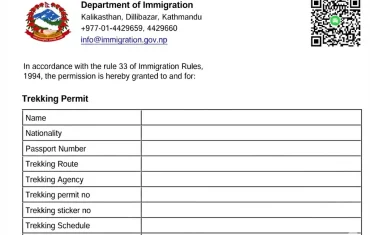
Some regions in Nepal, such as Upper Mustang operate under controlled access policies rather than open trekking systems, which changes how planning works compared to Everest or Langtang.
Duration Fit
- Langtang fits cleanly into 10–12 trekking days without feeling rushed.
- Everest Base Camp becomes comfortable only when you can commit 14–18 days and are comfortable with flight-dependent logistics.
Permits & Requirements
- Everest Base Camp requires entry permits for Sagarmatha National Park along with the Khumbu rural municipality fee.
- Langtang Gosaikunda requires a Langtang National Park permit and a TIMS card, with no restricted-area paperwork.
No restricted permits on either route, but Everest carries more administrative and logistical weight once you factor in flights.
Who Should Choose Which Trek
Everest Base Camp trek is fit for you, if:
- Everest itself is the reason you’re coming to Nepal
- You want the classic, globally recognized route
- You’re comfortable sharing the trail with many other trekkers
- You’re willing to accept higher cost and more complex logistics
Langtang Gosaikunda trek is fit for you, if:
- You value quieter trails and village-level culture
- You prefer to keep logistics simple and grounded
- You want altitude progression plus a sacred high-lake crossing
- You want one of Nepal’s strongest value treks
Accessibility and Logistics
Getting to Everest Base Camp
Reaching Everest Base Camp begins with a flight to Lukla. That single step shapes the entire trek. Weather delays are common, schedules stay tight, and the first few days often revolve around coordinating flights, lodge availability, and group movement rather than settling into the walk itself.
Once you’re on the trail, everything runs on a fixed corridor with a lot of people moving in the same direction at the same pace. Your experience is strongly influenced by factors outside the trail, especially early on.
Getting to Langtang Gosaikunda
Langtang Gosaikunda starts with a drive from Kathmandu to Syabrubesi. There are no flights, no weather-dependent entry point, and fewer variables to manage at the start. You arrive, shoulder your pack, and begin walking.
Because access is straightforward, the trek settles into its rhythm earlier. Schedules are easier to adjust, rest days are easier to add, and the route works well even when time is limited. This makes Langtang particularly suited to tighter travel windows and people who want fewer logistical dependencies.
On Everest, logistics start influencing your days before altitude becomes the main challenge. On Langtang, the walking sets the pace first, with altitude arriving later in the journey.
Altitude and Difficulty (What Actually Feels Hard)
On the Everest Base Camp route, altitude becomes part of daily life on the journey. By the time you reach Dingboche and Lobuche, you’re sleeping above 4,000 meters for multiple nights in a row. Even with acclimatization days, recovery is limited because you never really drop back down.
The difficulty on Everest isn’t one hard section. It’s the sustained exposure. You often feel fine while walking, but notice the strain in the mornings, slower appetite, shallow sleep, and fatigue that builds quietly over several days.
Simialry, the approach through Langtang Valley rises steadily, with Kyanjin Gompa (3,870m) being an adjustment point. Your body has time to settle before the route pushes higher. When altitude becomes demanding, it’s concentrated around specific days.

The hardest effort comes at Lauribina La Pass (4,610m). That day is physically demanding but it’s a defined challenge followed by descent, not a week-long stay at extreme sleeping altitude.
This difference matters more than fitness. On Everest, difficulty builds through duration at altitude. On Langtang, difficulty is shaped by how a few key days are positioned in the itinerary.
That’s why people who move steadily and pace themselves often do well on Langtang, while even fit trekkers can feel worn down on Everest if the altitude exposure stacks up faster than their bodies can adapt.
Crowds and Trail Atmosphere
On the Everest Base Camp route, you’re part of a fixed flow from the moment you leave Lukla. You move on similar schedules, stop in the same villages, and aim for the same acclimatization points. Lodges, meal times, and even walking pace tend to cluster around that shared movement.
That structure shapes the trek. You plan days around availability rather than preference, and flexibility becomes limited during peak season.
Langtang Gosaikunda operates differently. The valley sees trekkers early on, but once you move beyond Langtang Village and start toward Gosainkunda, traffic drops off sharply. You can slow a day down, add a rest stop, or adjust pacing without worrying about crowd pressure.
Culture and Villages
Everest and Langtang offer very different cultural experiences, shaped by how tourism fits into daily life along the trail.
Everest Region Culture
In the Everest region, Sherpa culture is inseparable from mountaineering history. Villages like Namche, Tengboche, and Dingboche have grown around expeditions and trekking flow. Lodges are well built, bakeries are common, and the rhythm of daily life is closely tied to the trekking season. You feel the pride of a global mountain culture, but you’re also moving through a corridor shaped by decades of international traffic.
Langtang Region Culture
In Langtang, Tamang villages sit differently on the trail. Places like Lama Hotel, Langtang Village, and Thulo Syabru are not built around a single global objective. Farming, herding, and local movement still shape the day. Homes, lodges, monasteries, and trails overlap with everyday life rather than separating from it.
The Tibetan influence in Langtang is quieter and less performed. Prayer walls, mani stones, and monasteries exist as part of routine practice, not as landmarks for trekkers. When you reach Gosainkunda, that cultural layer deepens. The lakes are not just scenic, they are active pilgrimage sites, especially during Janai Purnima, and that spiritual meaning is still very much alive.
Scenery and Highlights: What You’re Actually Walking Through
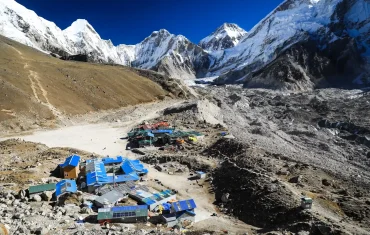
On the Everest Base Camp route, the scenery builds around scale and exposure. You’re walking in a high alpine corridor shaped by glaciers, icefalls, and massive valley walls. Viewpoints like Kala Patthar exist to give you perspective on Everest itself, and much of the visual payoff comes from standing in specific places and looking outward at altitude.
Langtang Gosaikunda offers a different kind of progression. The early days move through forests and open valley floors, then narrow into glacial terrain around Kyanjin Gompa. As the route turns toward Gosainkunda, the landscape opens again, this time into high, quiet basins shaped by lakes rather than crowds. Lauribina La is not a viewpoint you rush through, it’s a crossing that marks a clear shift in terrain and mood.
Cost Comparison
Everest Base Camp consistently sits at the higher end of Nepal’s trekking costs. The main drivers are Lukla flights, higher lodge pricing along a high-demand corridor, and tighter logistics that leave less room to adjust once you’re on the trail. Even when the itinerary looks similar on paper, daily costs stack up faster.
For most standard itineraries, Everest Base Camp typically falls in the range of USD 1,400 to 2,200 per person, depending on season, group size, and how much buffer is built around flights.
Langtang Gosaikunda operates on a different cost structure. Access is road-based, permits are simpler, and the trail doesn’t carry the same demand pressure. That keeps accommodation, food, and overall logistics more predictable.
A full Langtang Gosaikunda itinerary usually lands between USD 700 and 1,200 per person, even with proper acclimatization days and a Helambu exit.
Accommodation and Comfort Expectations
Both routes use teahouses, but the experience is not the same once you’re actually sleeping on the trail.
On the Everest route, lodge infrastructure is extensive and consistent. Villages are built around trekking demand, rooms are more standardized, menus are wider, and services like charging and hot showers are easier to rely on, even high on the trail. Comfort doesn’t disappear as altitude increases, it just becomes more expensive and busier.
Langtang feels different once you move past the main valley. Lodges are simpler, menus narrow, and facilities drop back to what’s practical rather than polished. You’re warm, fed, and sheltered, but not cushioned. That shift is part of the experience. After Langtang Village, the trek feels more functional and less serviced.

If predictable comfort matters more than remoteness, Everest handles that better. If you’re comfortable trading amenities for a quieter, less built-up trail, Langtang feels more honest once the valley ends.
Final Comparison
| Factor | Everest Base Camp | Langtang Gosaikunda |
| Crowds | High, especially in peak seasons | Low after Langtang Valley |
| Altitude | Higher sustained sleeping altitude | One high pass, shorter exposure |
| Logistics | Flight to Lukla, weather dependent | Drive from Kathmandu |
| Cost | Higher overall | Lower overall |
| Culture | Sherpa corridor with heavy tourism | Tamang villages and sacred lake |
| Trail Feel | Busy, fixed corridor | Quieter, more flexible |
| Best For | Everest as the goal itself | Depth, variety, and quieter Nepal |
FAQs
Which trek is better for beginners?
Langtang Gosaikunda. Not because it’s easy, but because it gives you more room to adapt. Altitude builds gradually, there’s a clear acclimatization base at Kyanjin Gompa, and schedules can be adjusted without flights or tight corridor pressure. Everest Base Camp expects you to live above 4,000 meters for many nights in a row, which is harder if you don’t yet know how your body reacts to altitude.
Which trek is less crowded?
Langtang Gosaikunda, especially after Langtang Village. Everest Base Camp is busy from Lukla onward during peak seasons. Lodges, trails, and acclimatization stops are shared by large numbers of trekkers moving on similar schedules. Langtang has traffic early in the valley, but once the route turns toward Gosainkunda, the trail opens up and stays quiet.
Which trek is more budget-friendly?
Langtang Gosaikunda. The main reason is simple: no Lukla flights. Daily costs on the trail are also lower. Everest Base Camp costs more because of flights, demand, and logistics, not because the guiding or walking is inherently better.
What is the maximum altitude of each trek?
Everest Base Camp reaches 5,364 meters, and you sleep above 4,000 meters for multiple consecutive nights.
Langtang Gosaikunda tops out at Lauribina La Pass at about 4,610 meters, with fewer nights spent at very high sleeping altitude.
Which trek is harder: Everest or Langtang?
Everest is harder due to sustained altitude exposure. The challenge builds quietly over many days. Langtang concentrates difficulty into specific sections, mainly the Gosainkunda approach and the Lauribina La crossing. With proper pacing, you find Langtang demanding but controlled, while Everest can feel draining even for fit people.
Can Langtang be done without flights?
Yes. Langtang Gosaikunda is accessed entirely by road from Kathmandu. This removes flight delays, reduces schedule risk, and makes the trek easier to plan around fixed travel dates.
Choosing between Langtang and Everest is not about difficulty. It’s about what kind of experience you want to live through for two weeks.
If you tell me your timeframe, altitude, comfort, and travel style, I’ll recommend the right trek honestly.